The AFRIKANA journal
Heart of Africa
Music, stories and sounds from across Africa. Explore the scenes, styles and discoveries behind AFRIKANA.
Discovery
Browse me fun
Articles, stories & discoveries
 Article
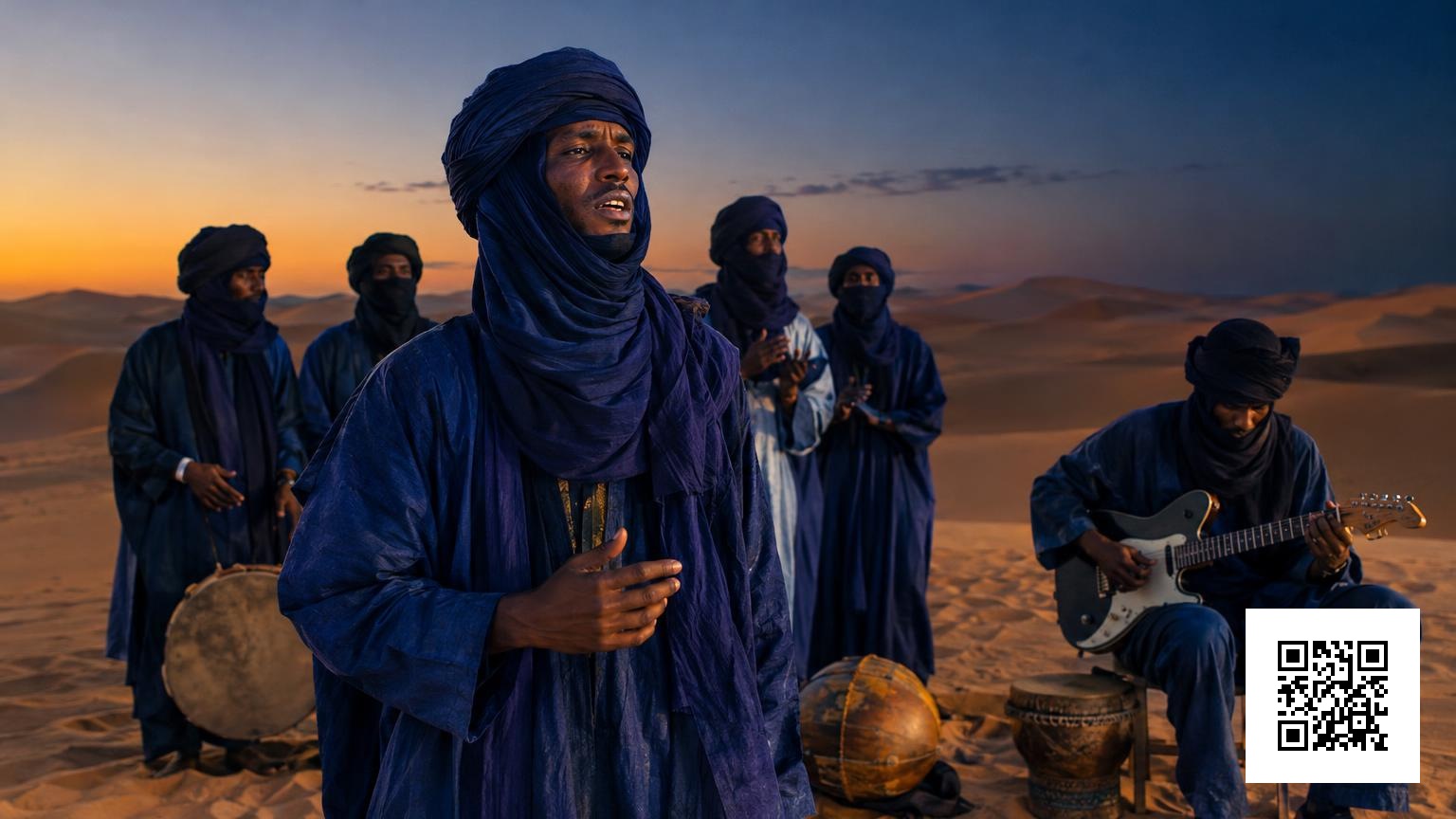
Ténéré Voices, a Sahel hymn in Tamasheq
Ténéré Voices is a 100 BPM Desert Blues hymn from the Sahel, sung in Tamasheq with French and Sahelian phrases, where a male lead and a layered chorus trade call-and-response over pentatonic slide guitar and close percussion.
 Article
Ozali kotala: Lingala and the flirt that picks its audience
OZALI KOTALA sings mostly in Lingala with a few Kinshasa French turns; this article reads how that language mix picks a room, maps attention and frames desire on a 125 BPM Neo-Afrohouse dancefloor.
 Article
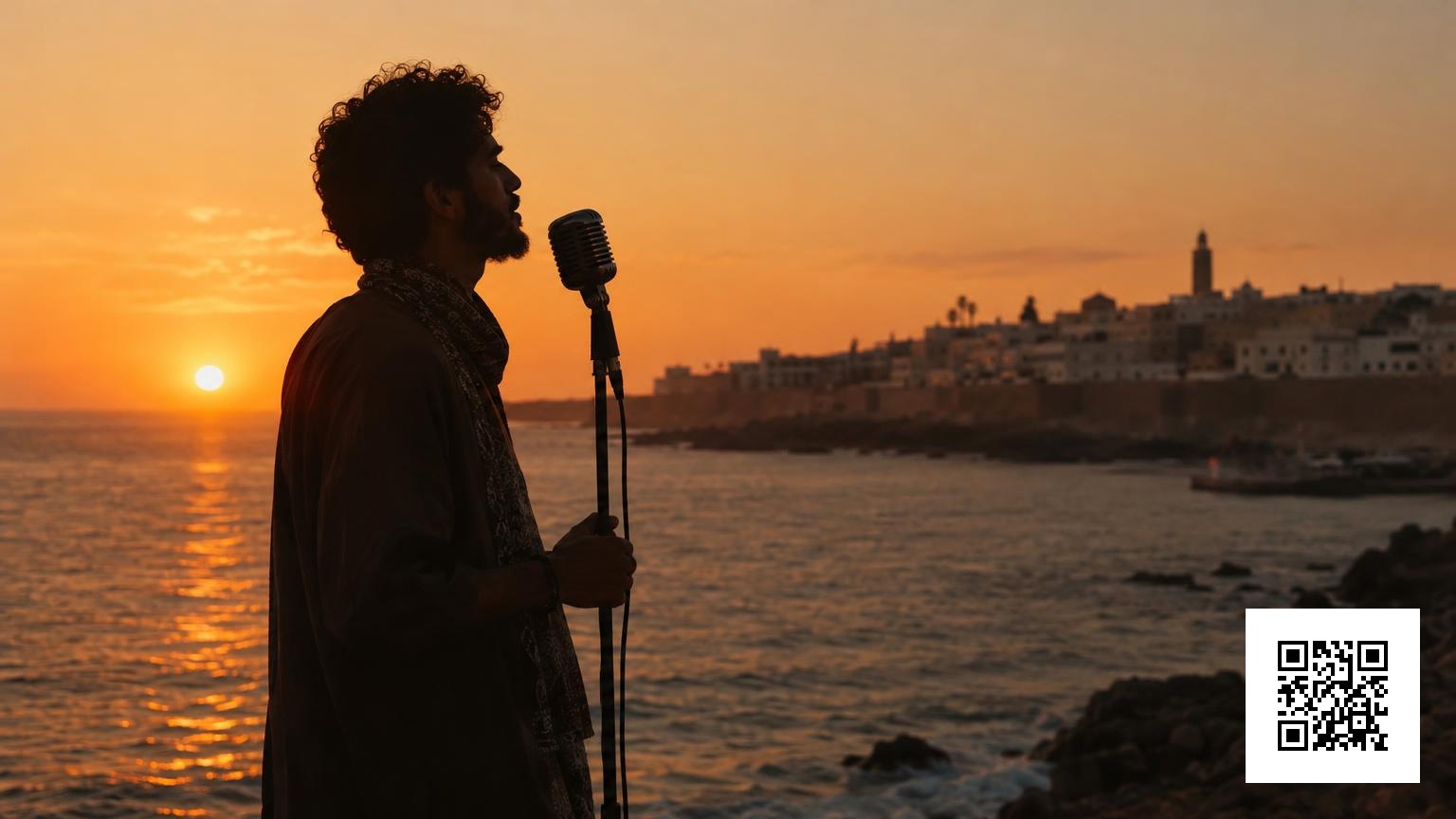
Rihet El Watan: a slow Raï of exile and small memories
A close reading of "ريحة الوطن" (Rihet El Watan), a slow, 88 BPM Raï sentimental sung in Algerian Darija and poetic French about nostalgia, exile and memory, with listening markers and one clear note on what the available documentation does not specify.
 Article
Téléphone datugulen, Bamako phone-off anthem
Téléphone datugulen runs at 123 BPM and folds a bright electric ngoni riff into a Manding club bounce, sung in Bambara with urban French turns about switching the phone off and disappearing for the night.
 Article
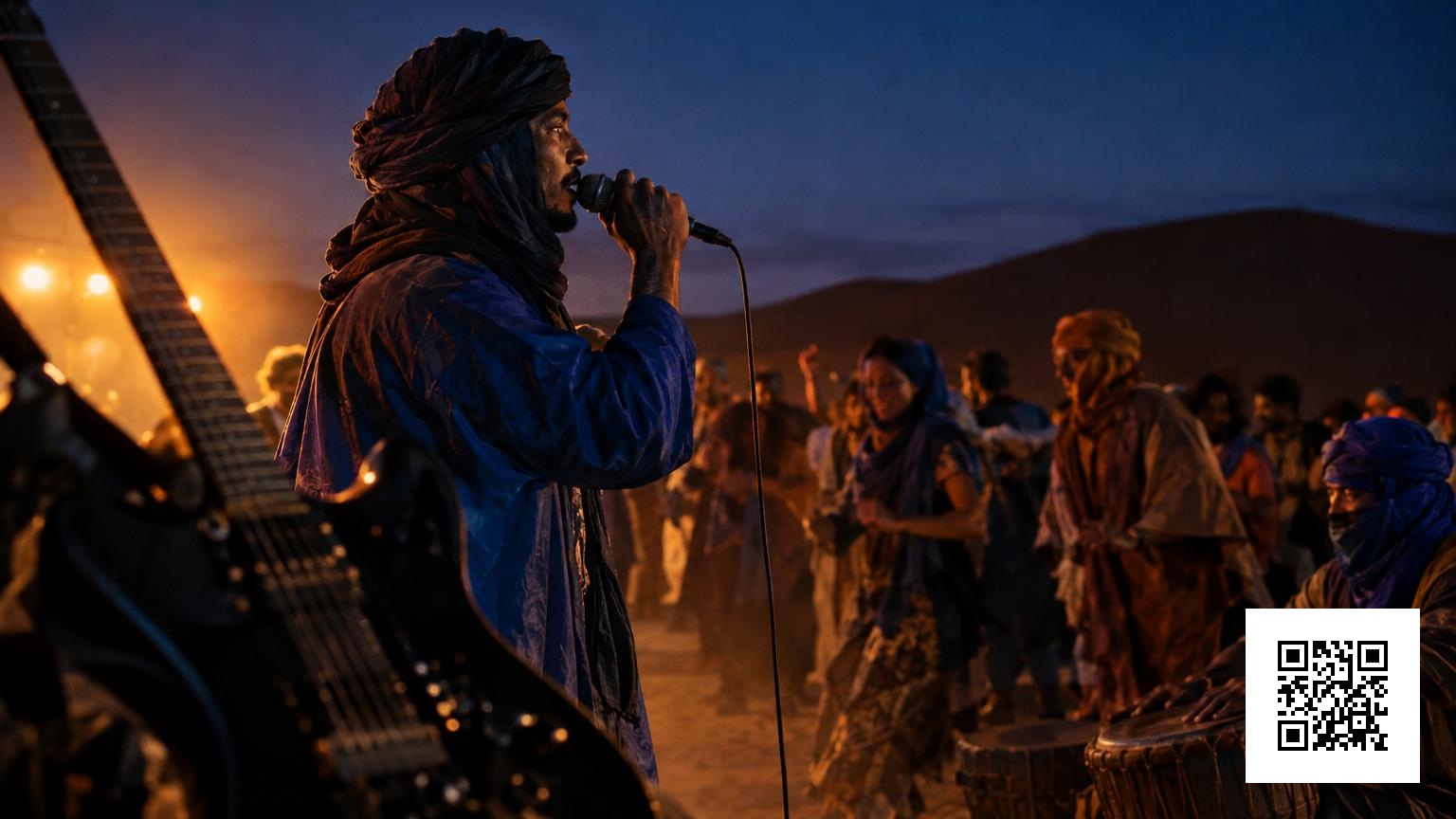
Azelik Rhythm: Tamasheq lines, French hooks and Sahelian winks
Azelik Rhythm places extended Tamasheq vocals over a 132 BPM Desert Blues groove, with recurring French refrains and brief langues sahéliennes inserts that map who the song addresses across Mali, the Sahel and francophone rooms.
 Article
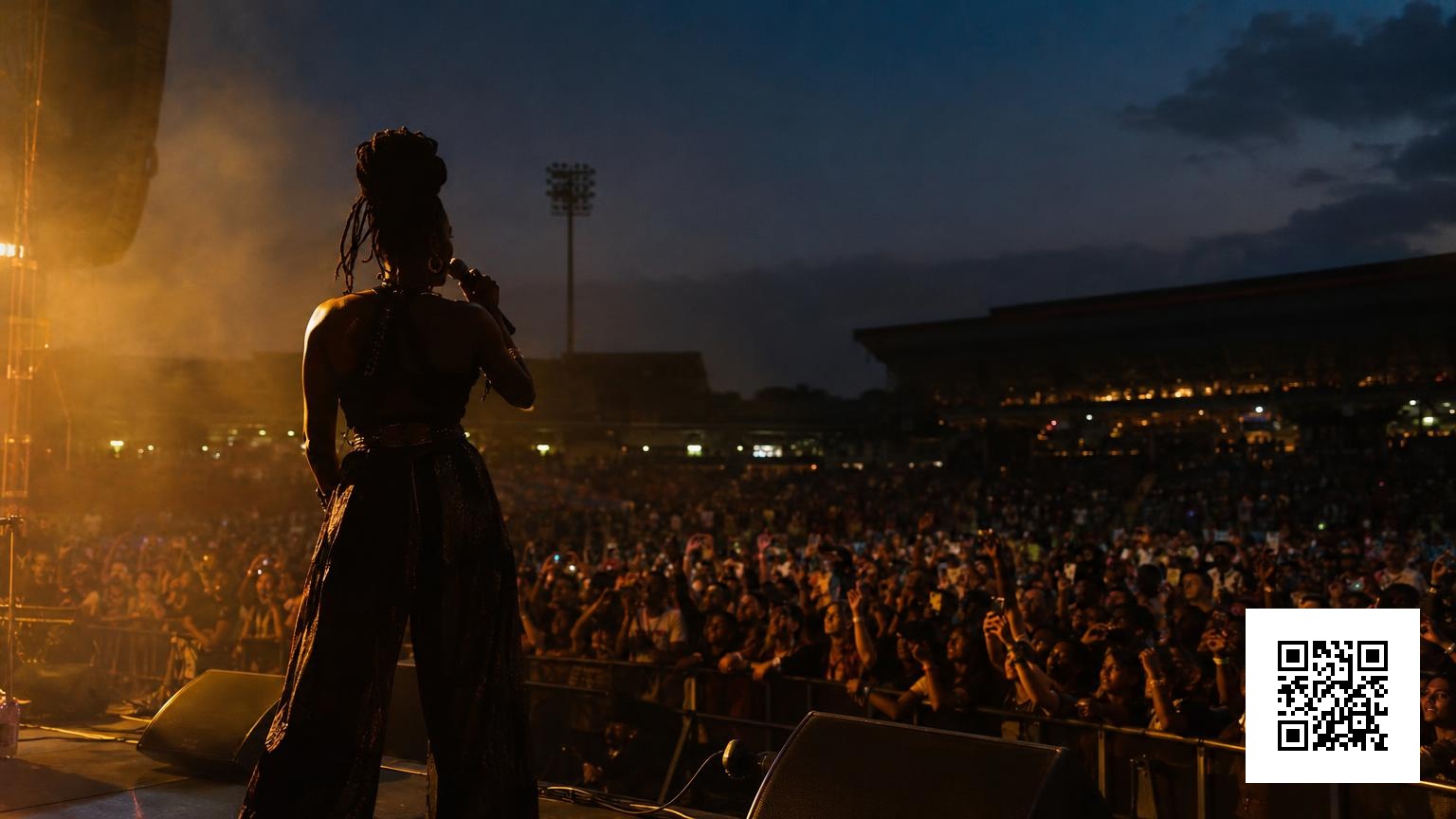
L’Argent Vite: a stadium makossa at 112 BPM
A close listen to L’Argent Vite, an Afro Makossa × Amapiano track at 112 BPM that stitches Français, Pidgin and Duala into a stadium-ready groove and questions the illusion of fast money with a chantable refrain.
 Article
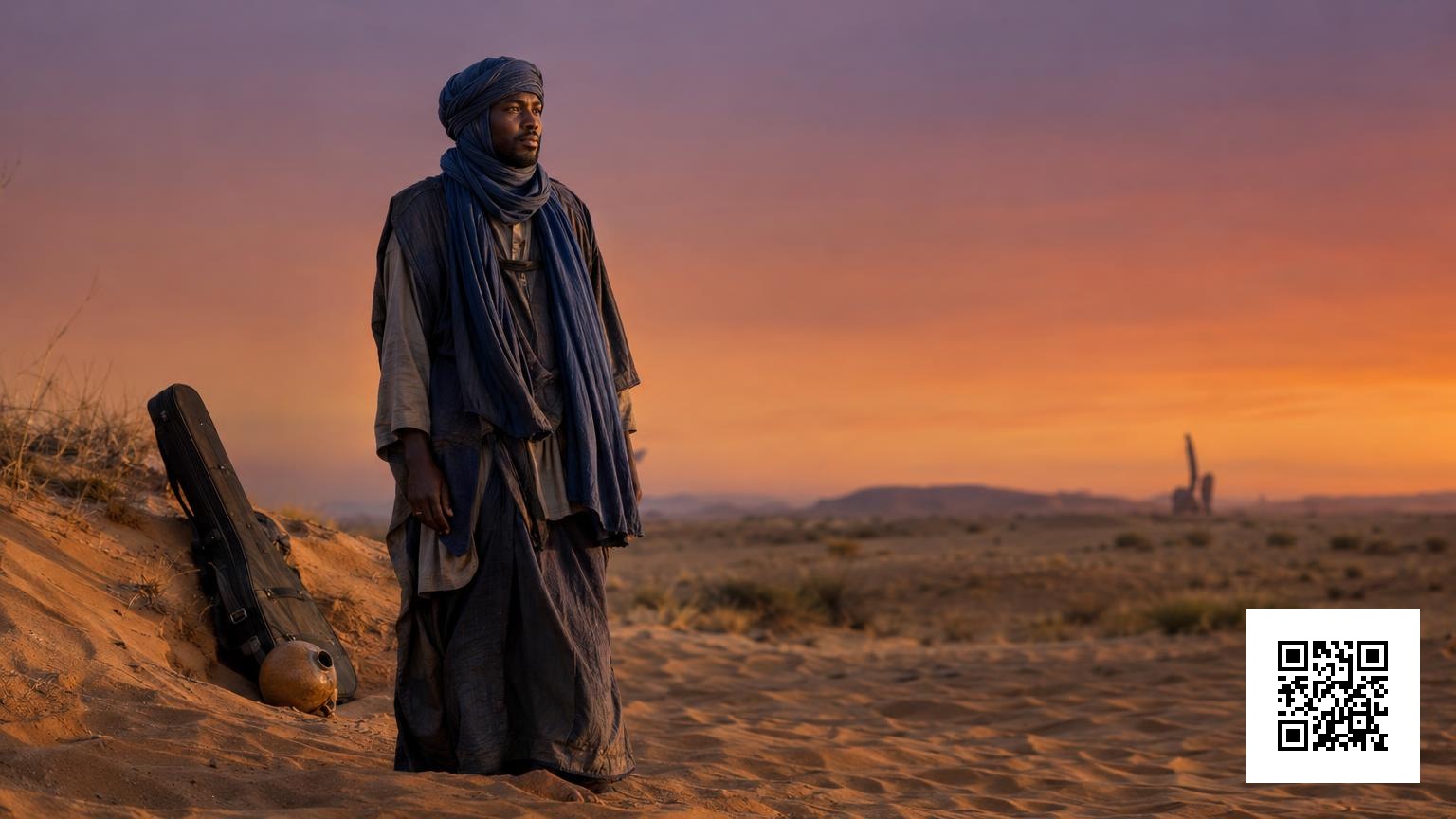
Wind Over the Dune's 64 BPM Desert Pulse
How a steady 64 BPM pulse shapes Wind Over the Dune: it lets a Tamasheq lead breathe, turns French refrains into distant replies and makes every calabash tap and slide-guitar motif register as a careful gesture.
 Article
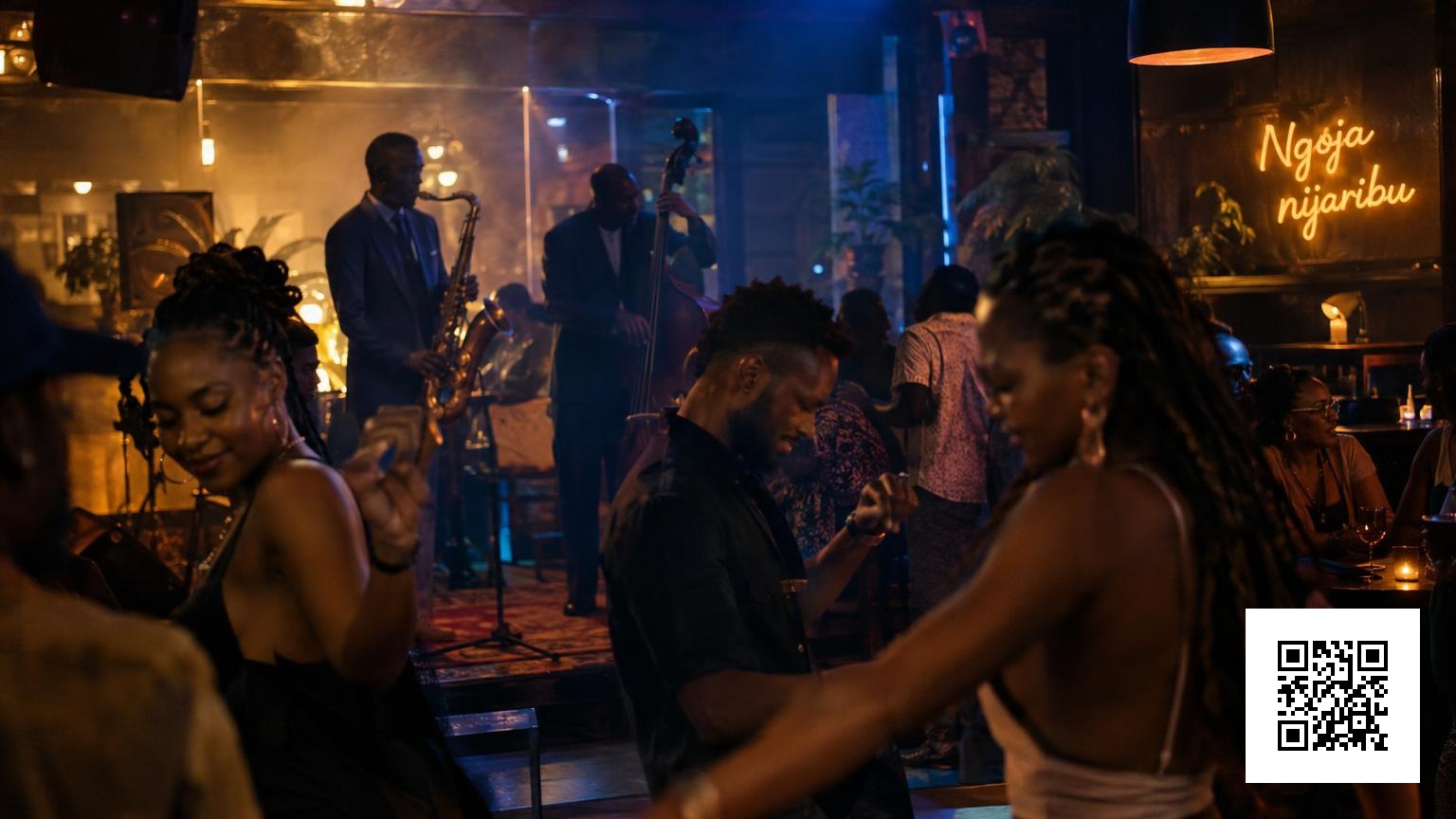
Ngoja nijaribu, Swahili chorus and Sheng léger city winks
Ngoja nijaribu places full Swahili lines against brief Sheng léger asides over a 123 BPM Nairobi Live Afrohouse groove with baritone sax and acoustic bass, using language to address both a broad room and local ears.
 Article
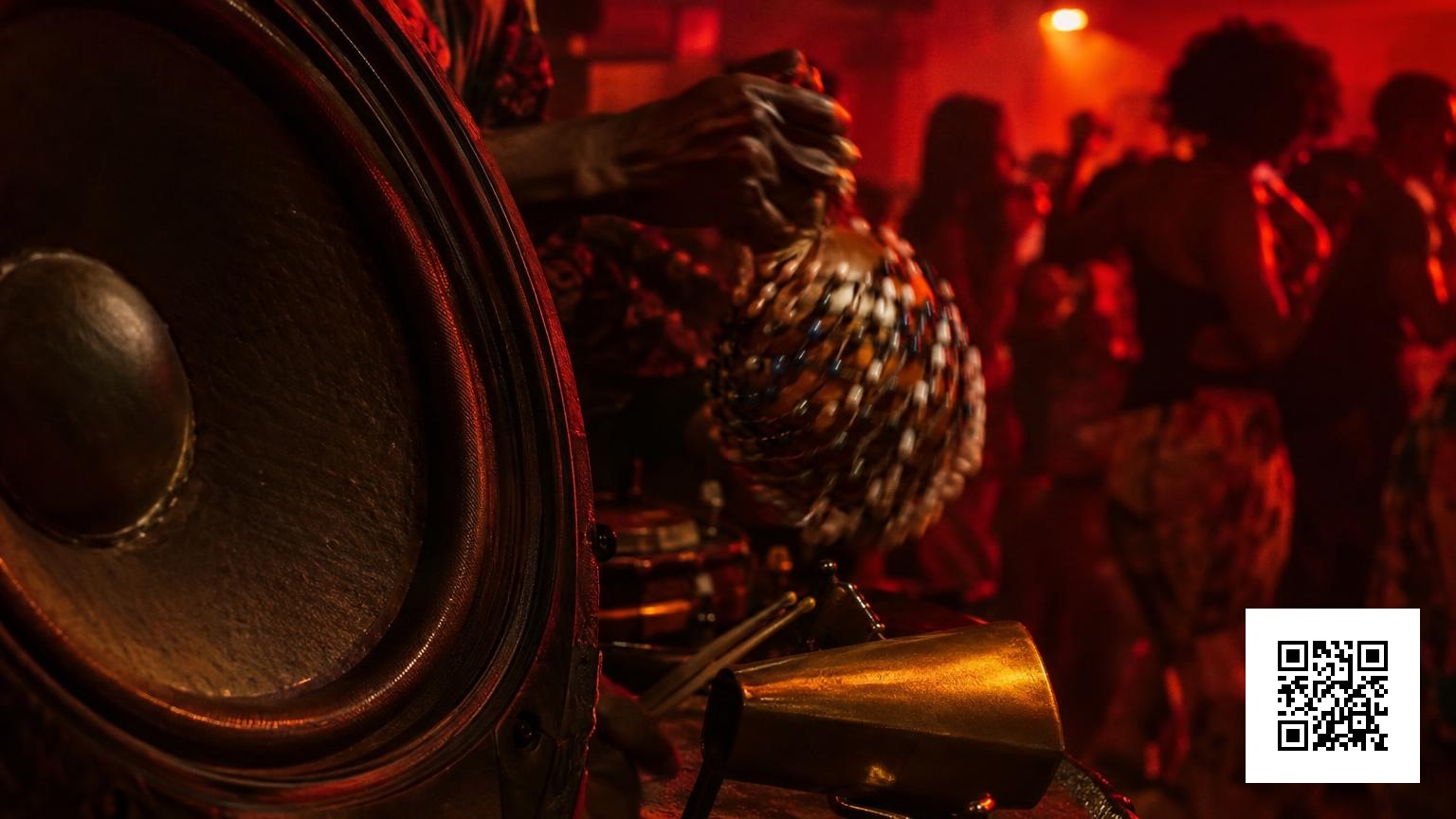
Má sún mọ́ mi in the Yoruba Afrohouse pulse
A timed, in-order listening guide to Má sún mọ́ mi: 126 BPM drive, frantic shekere and metallic agogô on top, a deep Lagos club bass underneath, Yorùbá vocals staging power and desire, and the moments where tension and release meet on the dancefloor.
 Article
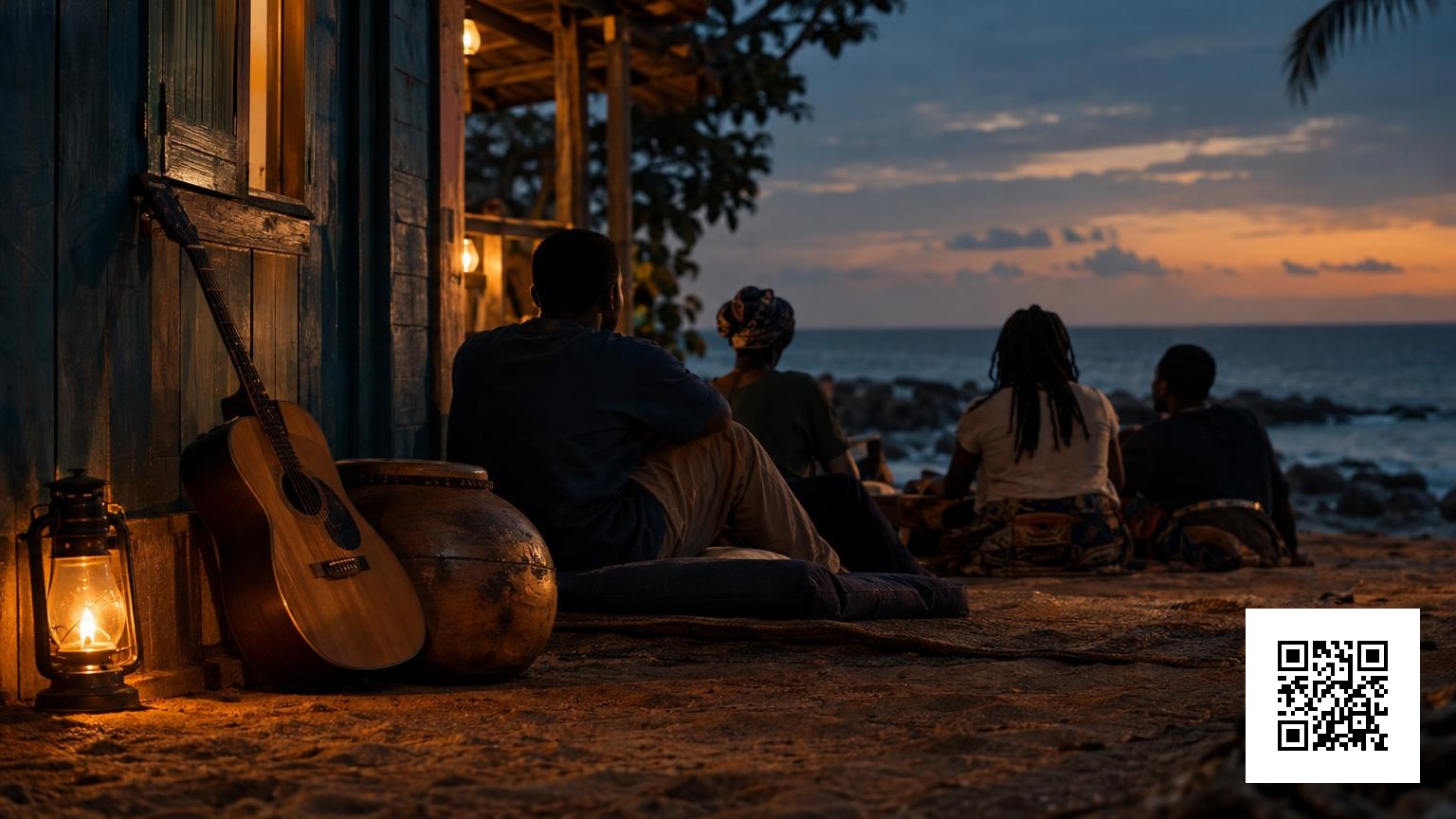
Sama Yoon and African music's new routes
Digital platforms reshape how West African songs travel and earn; a Wolof Palm-Wine single at 92 BPM shows why discovery and payouts no longer move together.
 Article
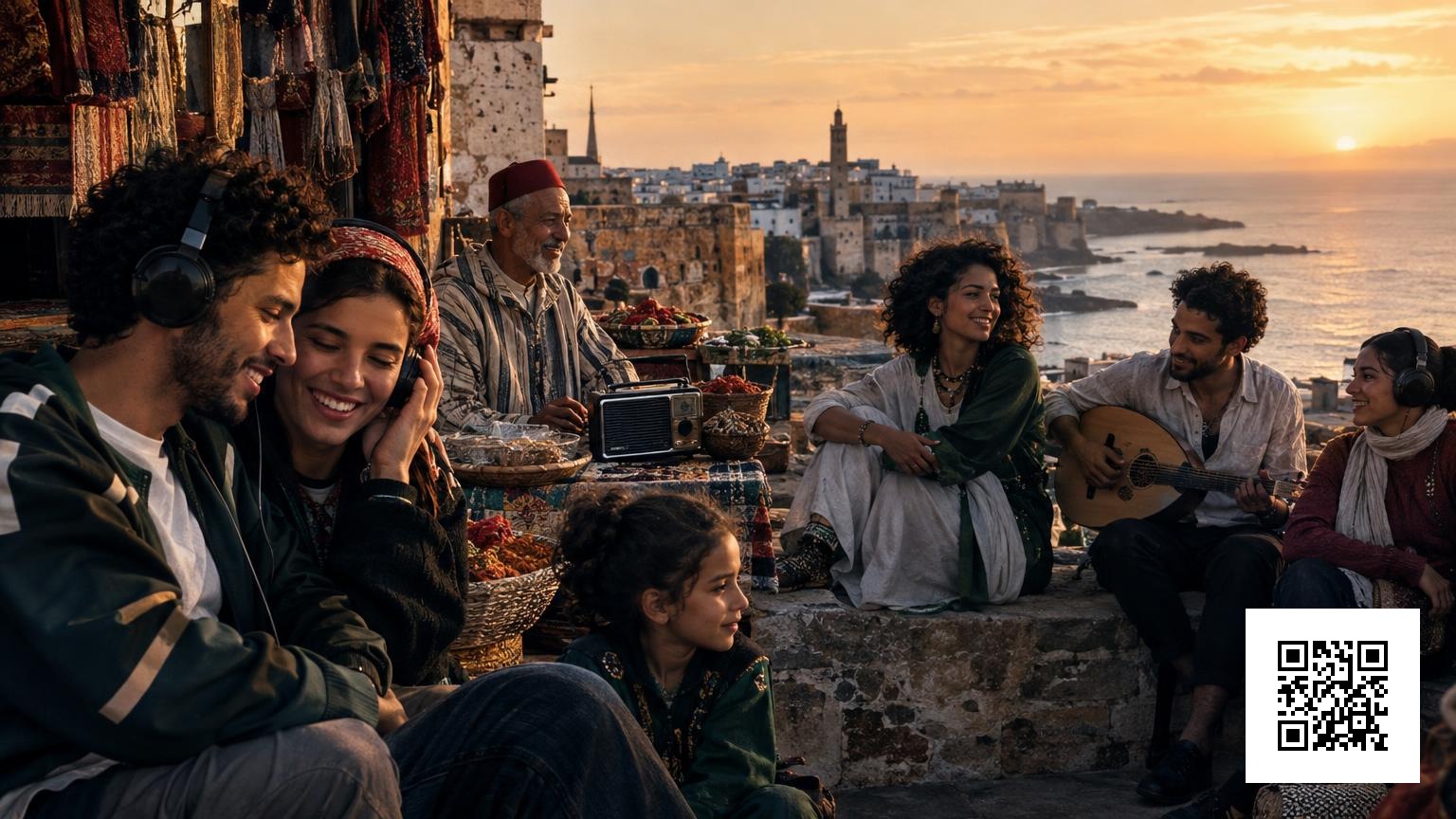
AFRIKANA: تطبيق مجاني وتسع webradios لموسيقى أفريقيا
AFRIKANA يقدم تطبيقًا مجانيًا يجمع تسع webradios أفريقية حية ليستمع بها المستخدم، ويحفظ الأغاني، ويشارك قوائم التشغيل، ويقترح مسارات مستمدة من أجواء المهرجانات.
 Article
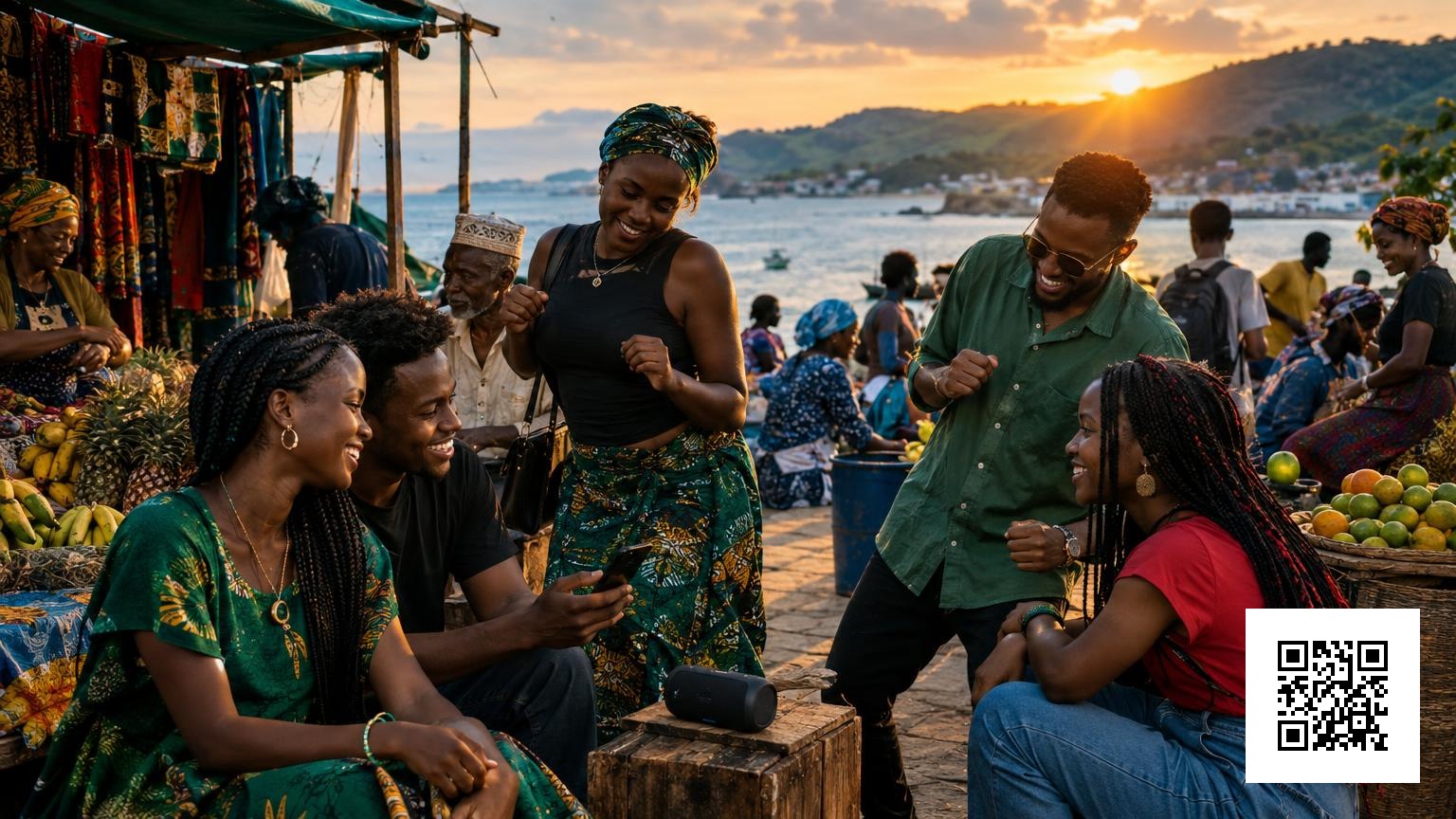
AFRIKANA - App ya bure na webradios 9 za Afrika
AFRIKANA inakuletea webradios 9 za muziki wa Afrika na app ya bure: pakua nyimbo, shiriki playlist zako, na usikilize redio maalum kwa kila wakati wa maisha.
 Article
AFRIKANA: app gratuite, neuf webradios, musique africaine
AFRIKANA, c’est une app gratuite pour télécharger des sons, partager vos favoris, suivre les festivals et écouter neuf webradios africaines.
 Article
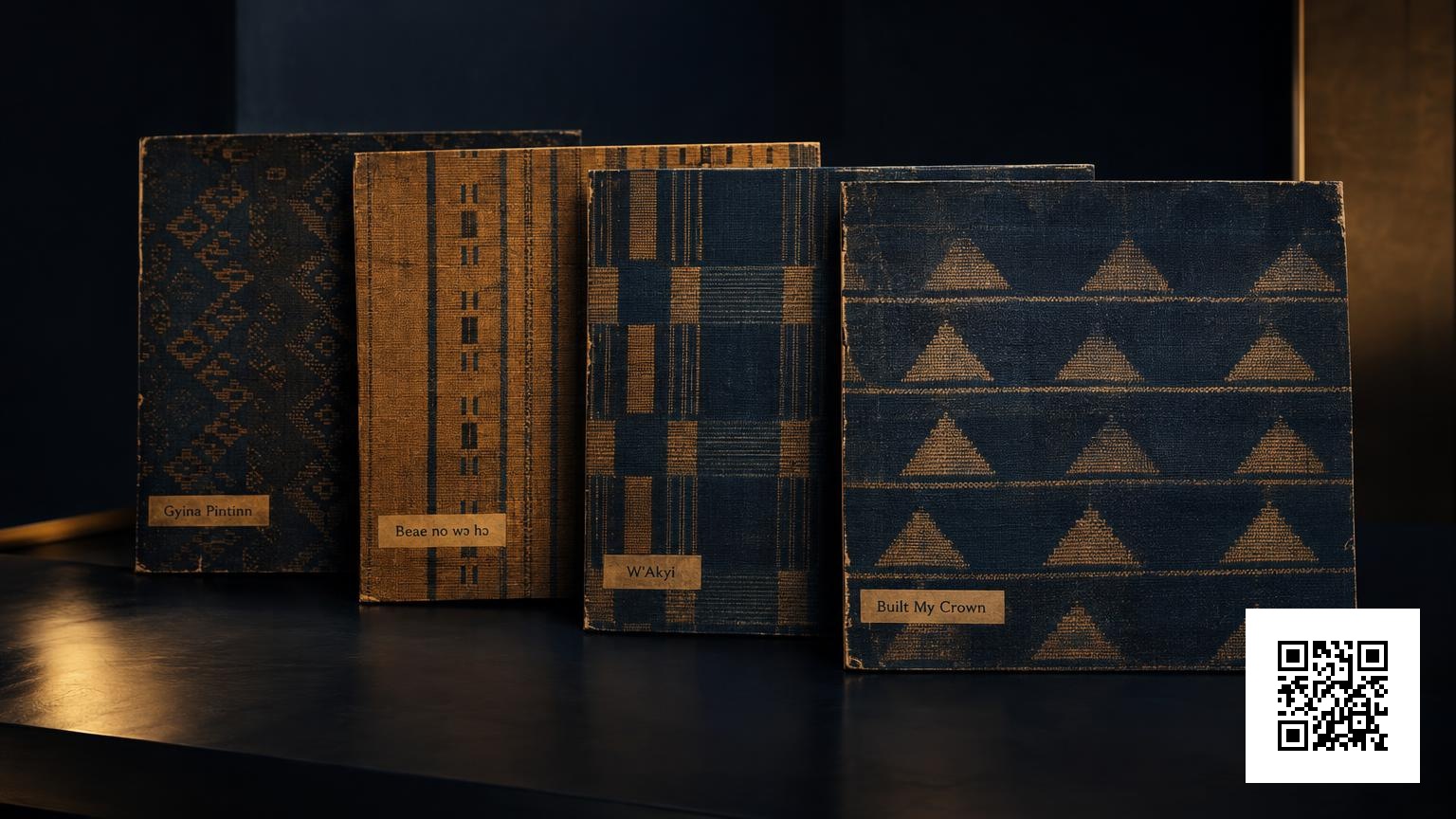
Anidasoɔ's four Twi tracks of measured masculinity
A close listen to four featured tracks from the playlist Twi Music | Anidasoɔ, focusing on language, tempo and mood: measured Afrobeats and Ghana Drill tempos, a single 130 BPM outlier, and the moments that mark restraint, status and challenge.
 Article
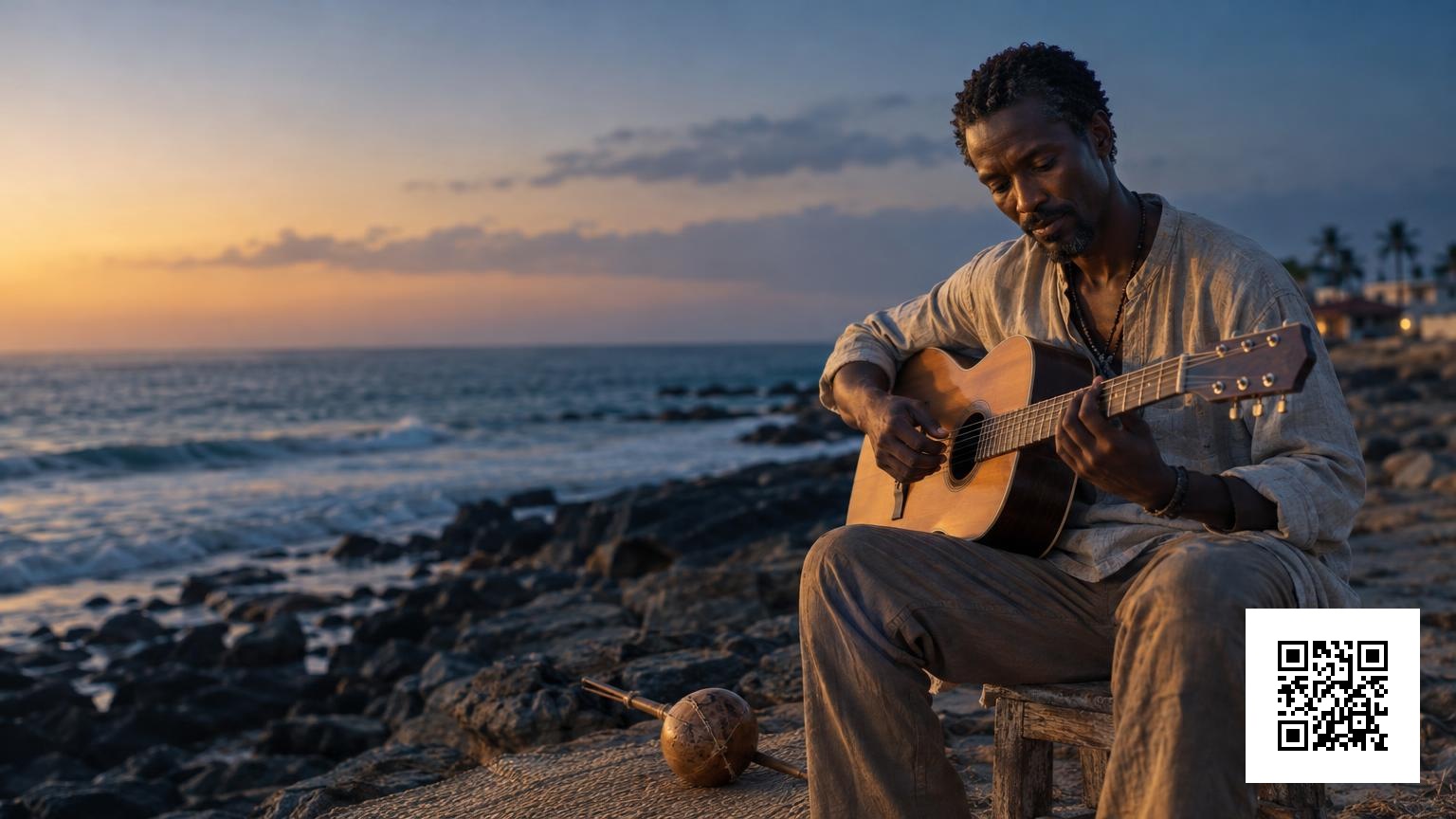
Sama Yoon by Mamadou Fall: Wolof palm-wine for migration and memory
Mamadou Fall’s Sama Yoon is a Wolof palm-wine song at 92 BPM that pairs fingerpicked acoustic guitar, soft calabash percussion and a gentle chorus to tell stories of migration, memory and the ache and comfort of home.
 Article
Beae no wɔ hɔ, 130 BPM Twi Afrohouse Challenge
A 130 BPM Accra-ready cut: Twi vocals throw a short, confrontational chant over tuned atumpan hits, distorted low end and metallic percussion. Press play for blunt, dancefloor energy that demands movement and response.
 Article
Xool ma, a Wolof command from Dakar
At a crisp 129 BPM, Wolof vocals ride a club-ready pulse as prepared kora plucks, reversed-string swells and sabar drum fragments lock into a hypnotic, explosive groove. The French refrain “Ne filme pas. Vis-le.” edges it toward immediate, physical listening.
 Article
French frames desire in Soleil et Désir
Soft French narration rides a 99 BPM Afro‑Bossa pulse: congas and shaker lay a relaxed pocket, a round bass anchors, airy synths blur edges, and Wolof pops in as sharp echoes. Press play for a sultry sunset sway that narrows air to intimate conversation.
 Article
Bado usiku, Zanzibar taarab at 128 BPM
A 128 BPM Zanzibar cut that locks taarab violin and oud into a rolling club pulse. Bright, staccato string hits ride a mchiriku rhythm — press play for a fast, euphoric late-night groove that keeps bodies moving together.
 Article
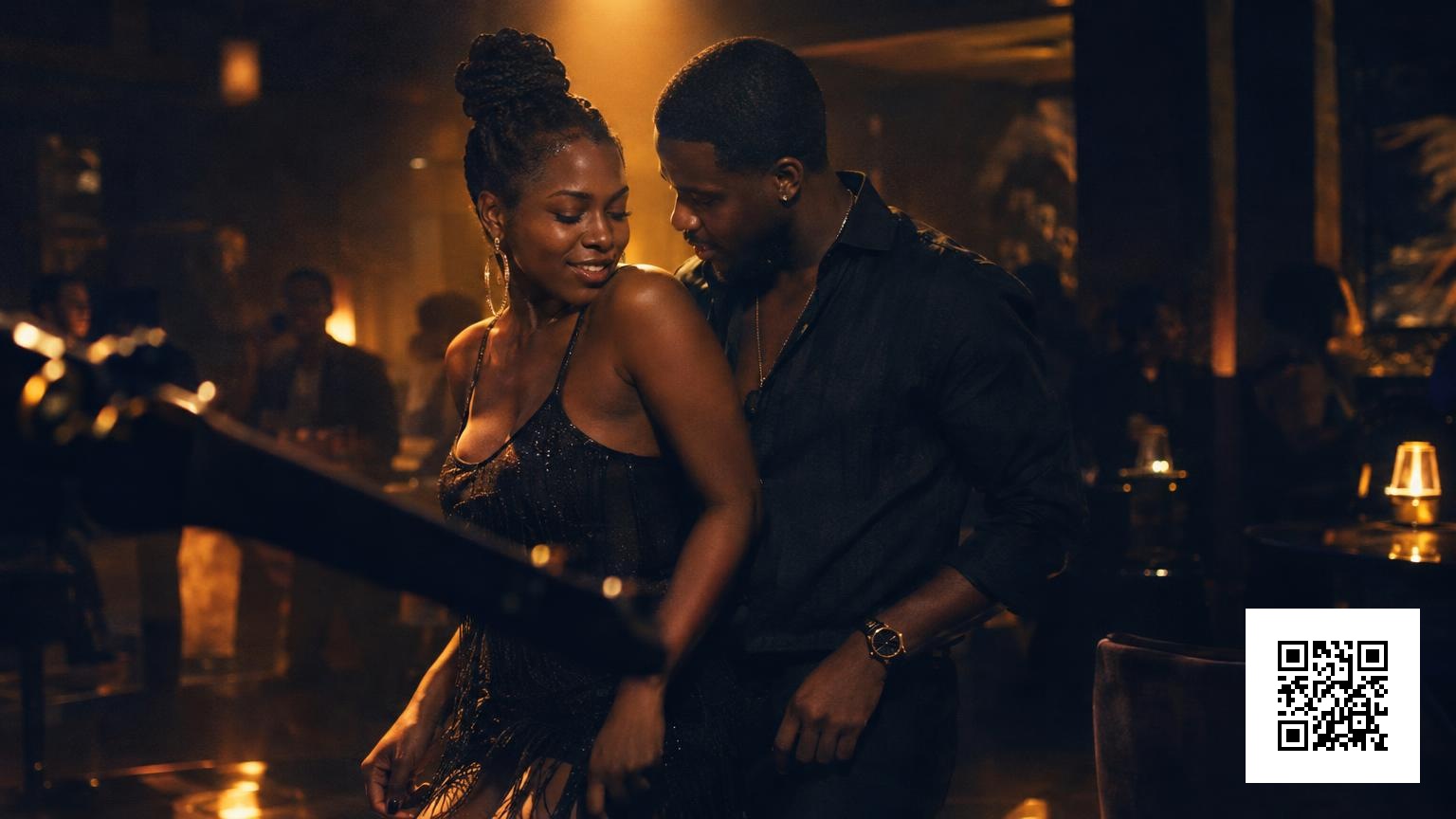
Fon lines for grandmothers in Alèkè Gbè
A warm, intimate Fon-language tribute built on 88 BPM palm-wine pulse: plucked acoustic guitar, hand percussion, light shakers and a lead voice answered by a small choir. Press play for quiet, family-centered phrasing that honors Beninese grandmothers.
 Article
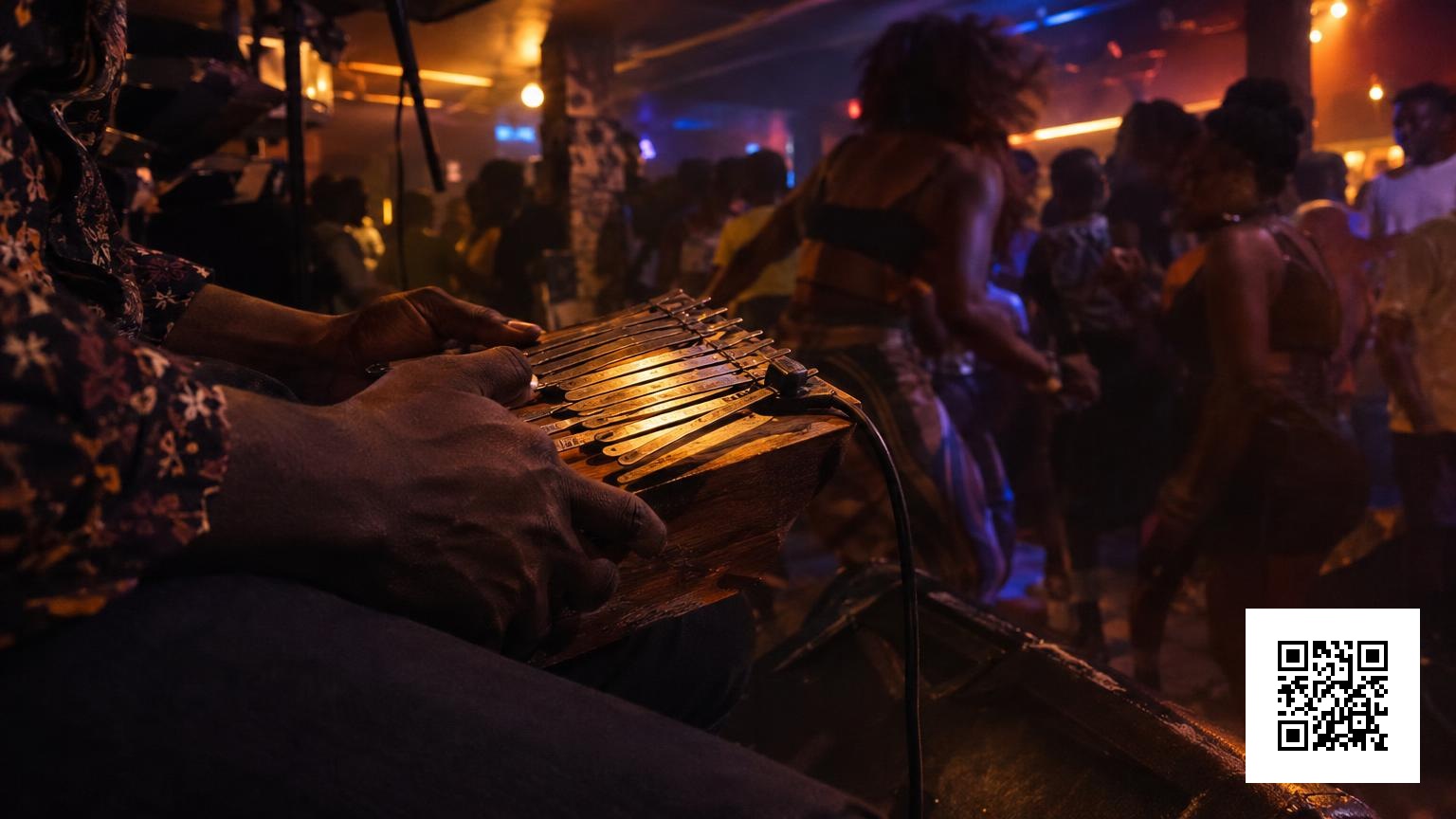
Tikala naino asks for five more minutes at 121 BPM
121 BPM Lingala cut built from a soft lokole pulse, muted Congolese guitar and a warm sub. The repeated refrain “Minute mitano” asks for five more minutes—perfect for late-night, intimate sets where hypnotic groove meets quiet urgency.
 Article
Nzoto eboyi pulls the body back to the floor
A 126 BPM Kinshasa Afrohouse cut built around an electrified likembé, a deep low end and a Lingala command — “Danse jusqu’à l’épuisement.” Hypnotic, physical and club-focused: the riff pulls you back to the floor every time you try to leave.
 Article
Cotonou Is Calling, Fongbé Hooks and Highlife Guitar at 108 BPM
Bright Highlife guitar and vintage brass ride a steady 108 BPM pocket anchored by Fon percussion. Fongbé call-and-response hooks answer English lines about returning to Cotonou — warm, proud, communal; press play for a graceful homecoming groove.
 Article
Mapenzi na Pesa puts Swahili first
Warm, mid‑tempo Swahili pop at 108 BPM: a steady, head‑nod pulse with taarab‑like string color and Amapiano shuffle under concise, direct‑address Swahili lines about love, ambition and money — ideal for a controlled gym set or a city evening playlist.
 Article
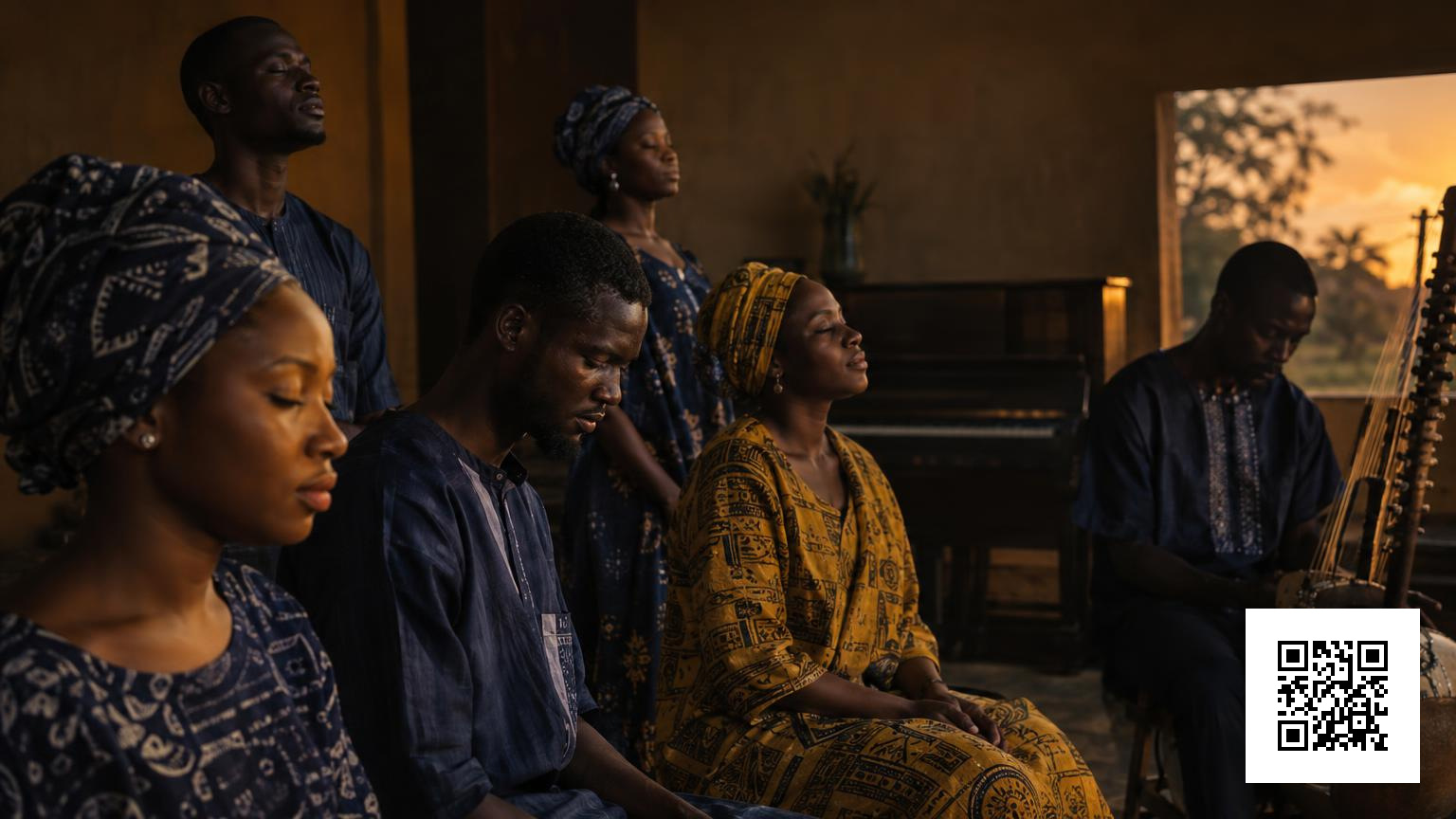
Azɔ Mawu Paix des cœurs at 72 BPM, a Fon prayer close-listening
A slow, prayerful arrangement at 72 BPM: warm choir at the centre, soft kora and mellow piano tracing gentle lines, light percussion for punctuation. Press play to feel a calm, restorative groove where Fon phrasing shapes melody and space.
 Article
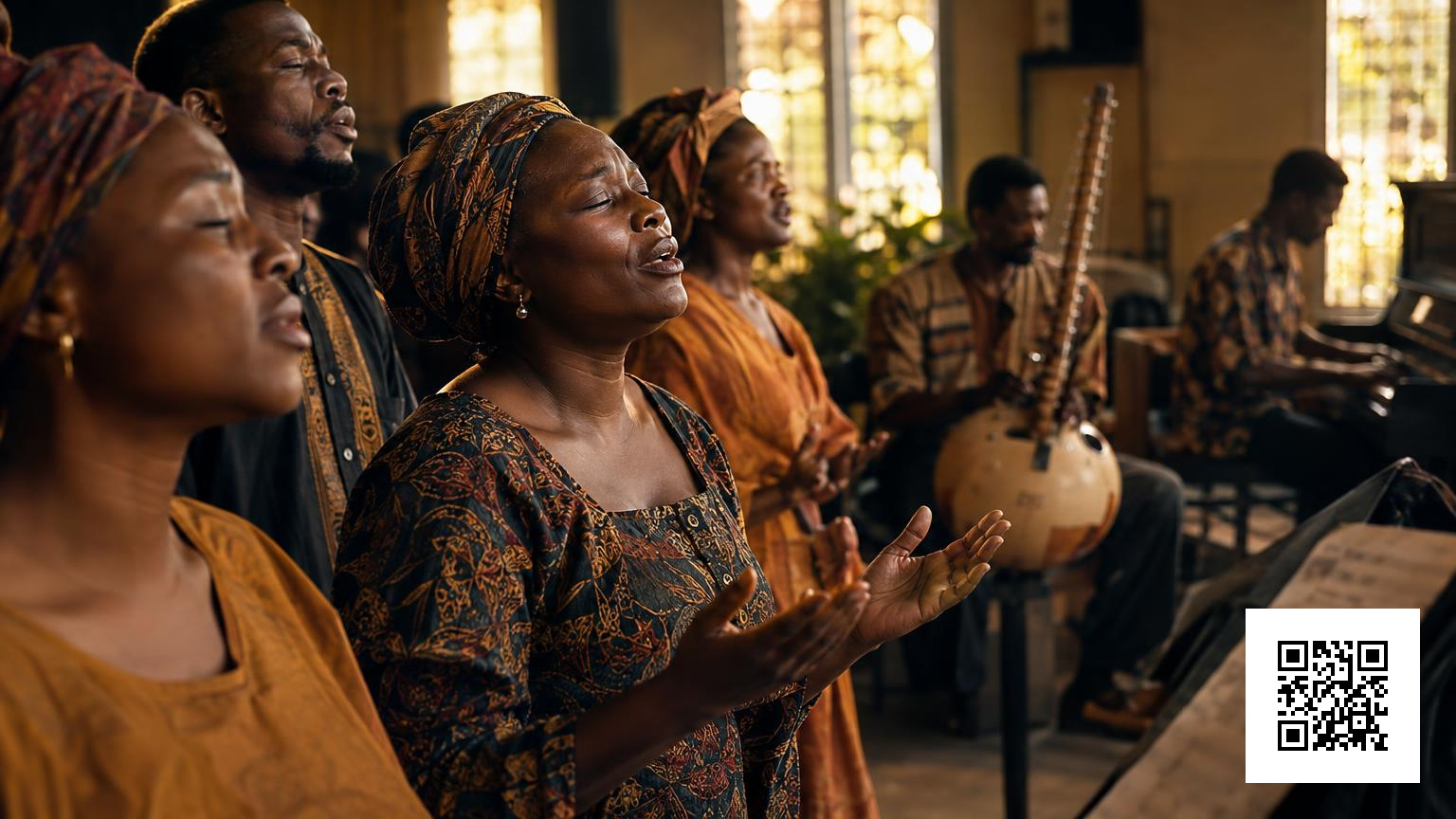
Speaking in Fon: Azɔ Mawu, Paix des cœurs and its chosen audience
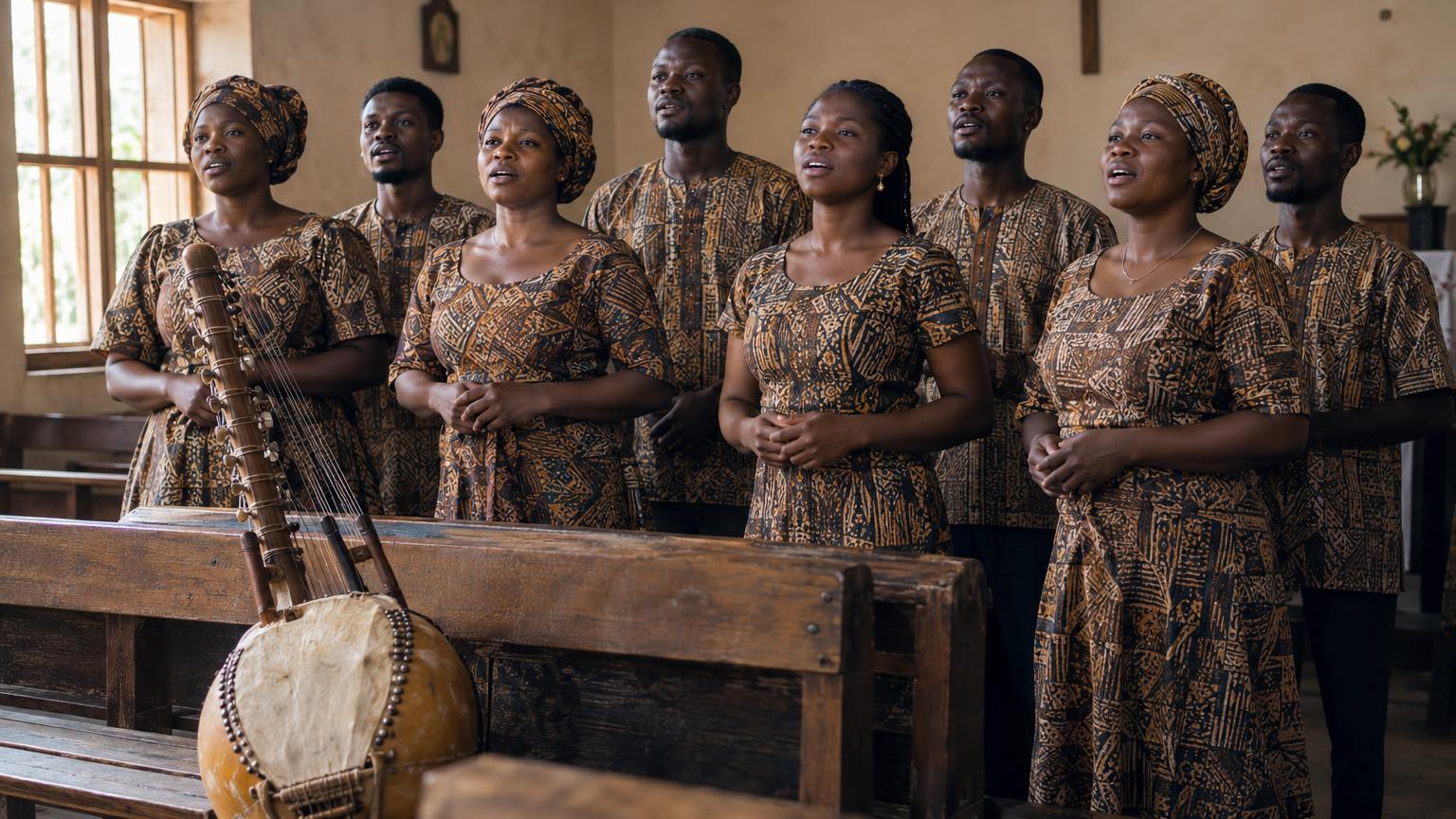
A slow, choir-led Fon prayer at 72 BPM: warm, layered voices shape melody through tonal language while a soft kora, mellow piano and light percussion keep a spacious, breathing pulse. Play it to listen closely—breath, vowel length and communal voice lead the way.
 Article
Azɔ Mawu, Paix des cœurs and the record of its credits
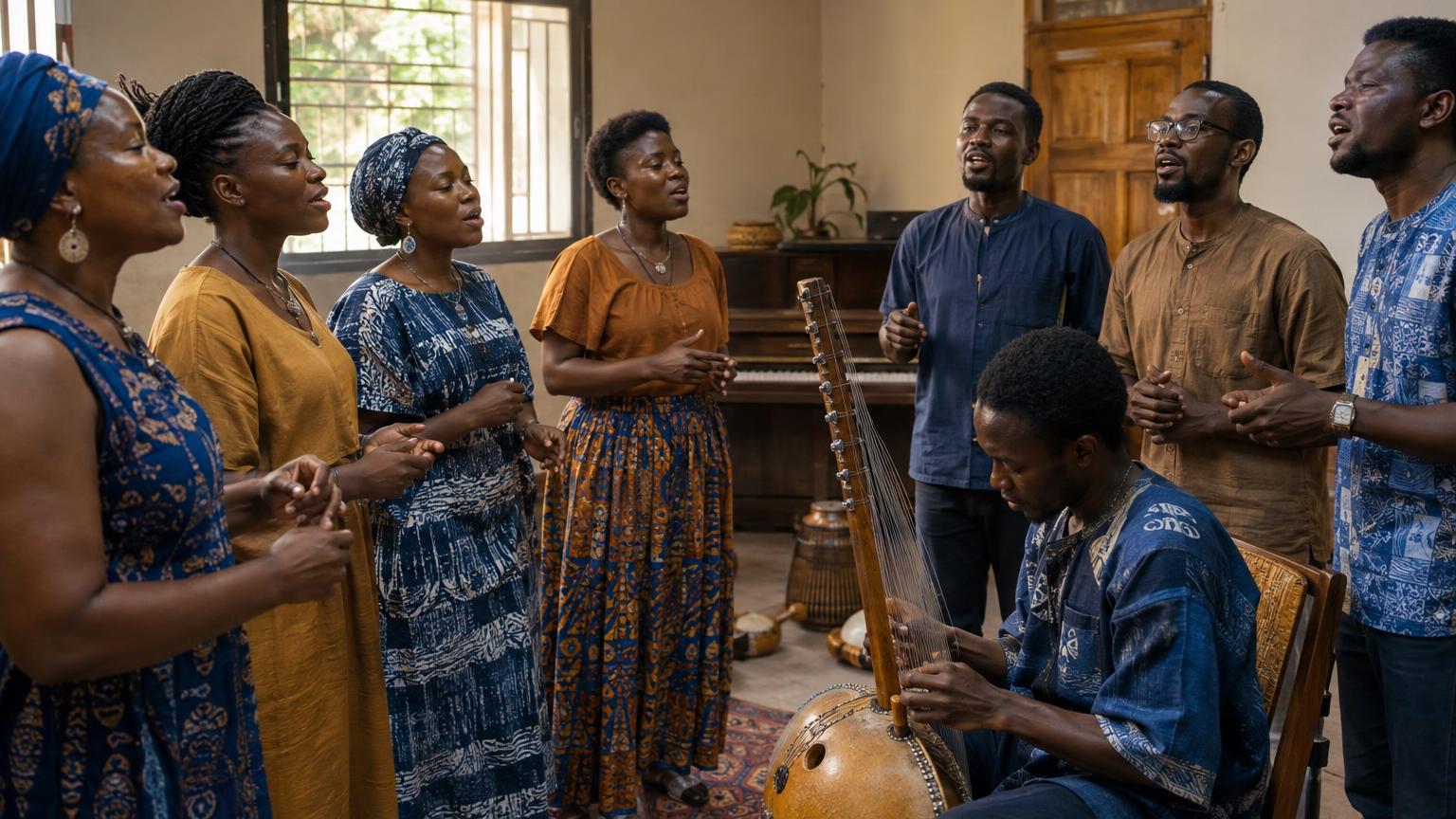
A slow, 72 BPM Fon prayer sung by Chorale Azɔ: warm close-harmony voices framed by plucked acoustic kora, mellow piano and quiet percussion. Press play for a contemplative, communal sound that favors breath, space and steady pulse.
 Article
Azɔ Mawu Paix des cœurs from Benin
Slow, prayerful Fon piece from Benin at 72 BPM: soft kora arpeggios, mellow piano, light percussion and a warm choir. Play it to breathe with a communal voice—calm, restorative and quietly rooted in Beninese spiritual practice.
 Article
Azɔ Mawu, Paix des cœurs paced at 72 BPM
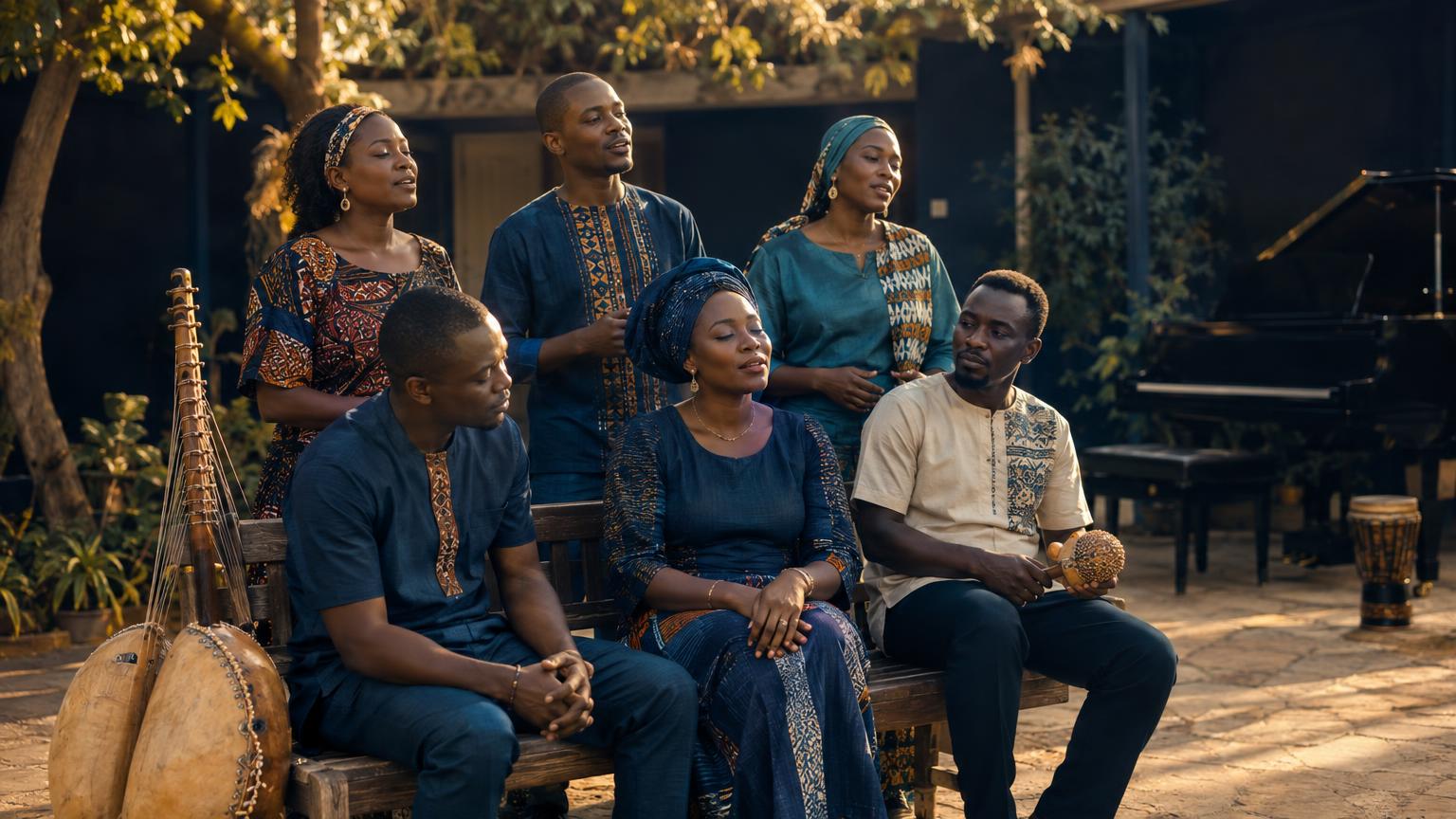
A warm, measured Fon prayer at 72 BPM: gentle kora, mellow piano and light percussion beneath a close-knit choir. Slow pulse and tonal Fon singing invite quiet attention—ideal for meditation, recovery sets, or anyone seeking calm Beninese sacred music.
 Article
Wolof and Swahili Chart the Route in From Dakar to Zanzibar
Warm, steady and conversational: Wolof and Swahili trade lines over a 107 BPM road pulse, light house bass, airy synths and soft Bongo Flava/Singeli percussion. A multilingual travel song that maps Dakar to Zanzibar—press play for a sonic drive between coasts.
 Article
Soleil et Désir at 99 BPM in French and Wolof
Gentle Afro‑Bossa sway at 99 BPM: whispery French vocals with brief Wolof, compact congas and shaker, round low bass and airy synth pads. Play it for slow movement, late light, and a close, seductive evening mood.
 Article
Homeward Song’s language map: Fon and Ewe at the heart, French and English as addresses
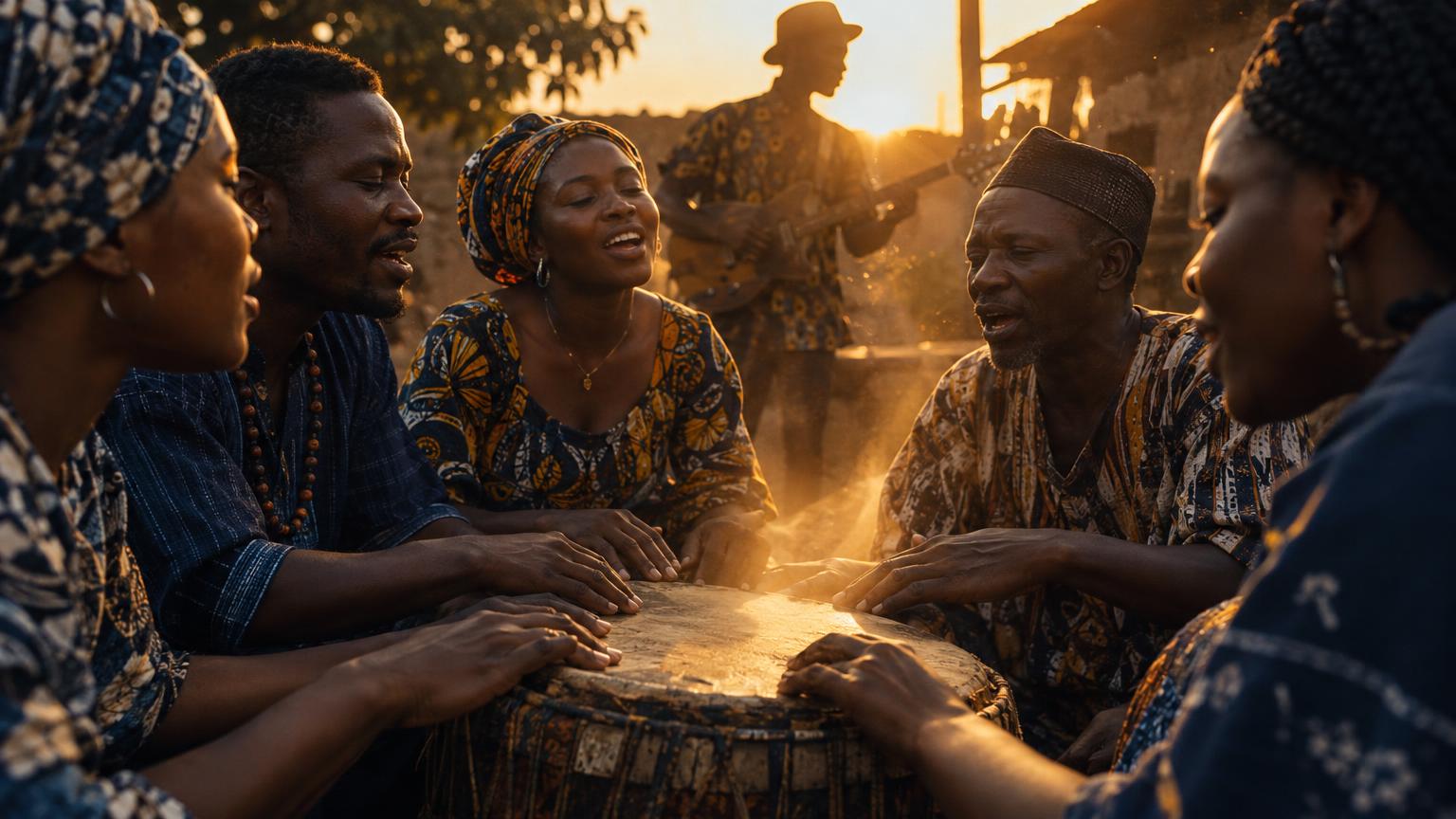
A slow, intimate 72 BPM song where balafon and palm‑wine acoustic strings create a swaying, spacious bed for long vocal passages in Fon and Ewe, with short French and English refrains that push the music gently outward to regional and diasporic listeners.
 Article
Hands Around the Drum sings Benin’s circle at 108 BPM
Rotating 108 BPM pulse built on Fon polyrhythm: layered choirs in canon, earthy hand percussion, highlife guitar and multilingual call‑and‑response. Press play to feel communal voices and interlocking grooves that move the body.
 Article
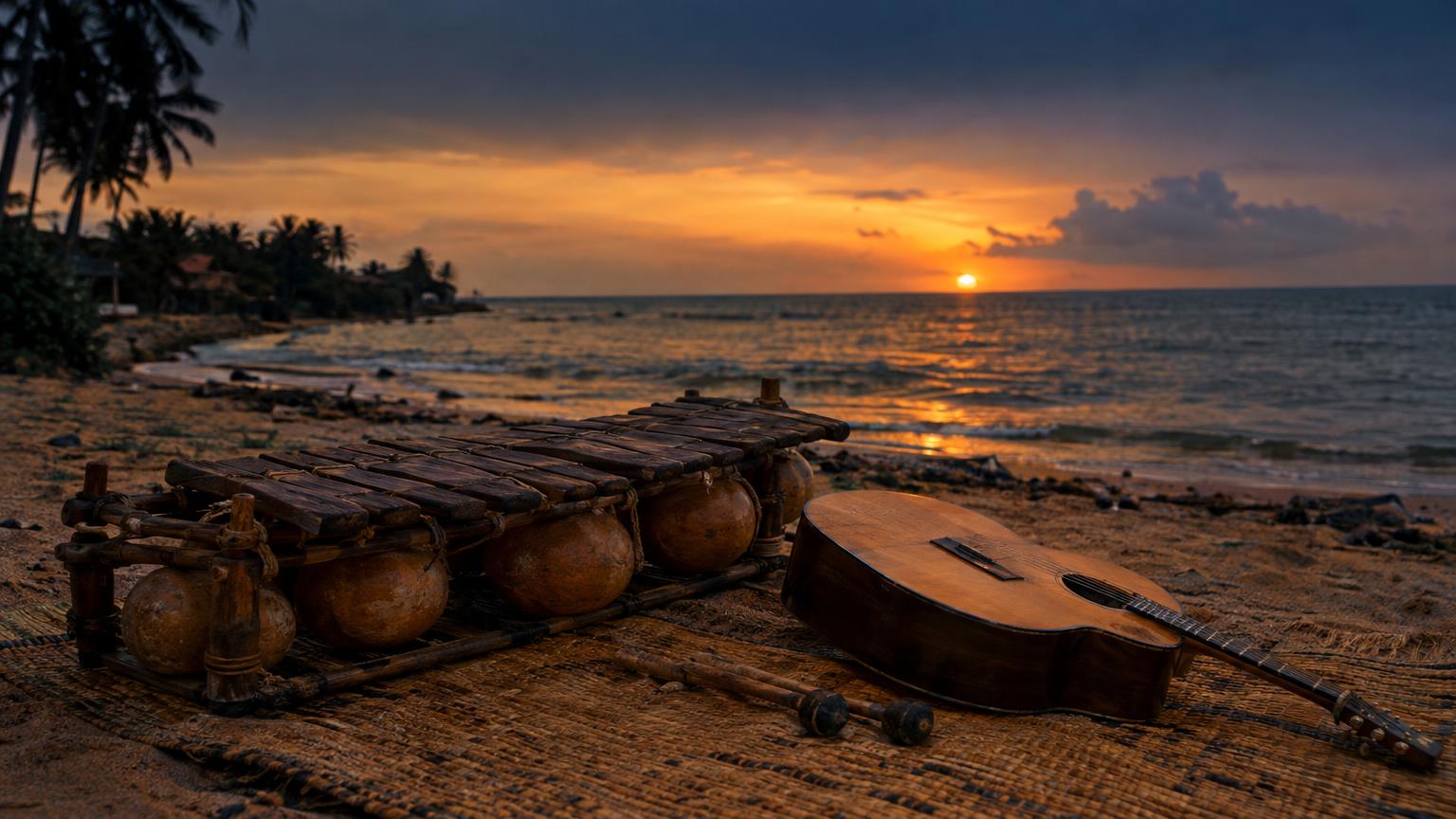
Homeward Song anchors Benin and Togo at 72 BPM
A slow, measured 72 BPM Afrofolk lull where balafon, finger‑picked acoustic guitar and palm‑wine rhythms let multilingual vocals (Ewe, Fon, French, English) breathe. It folds Benin, Togo and diaspora memory into a quiet, reflective return.
 Article
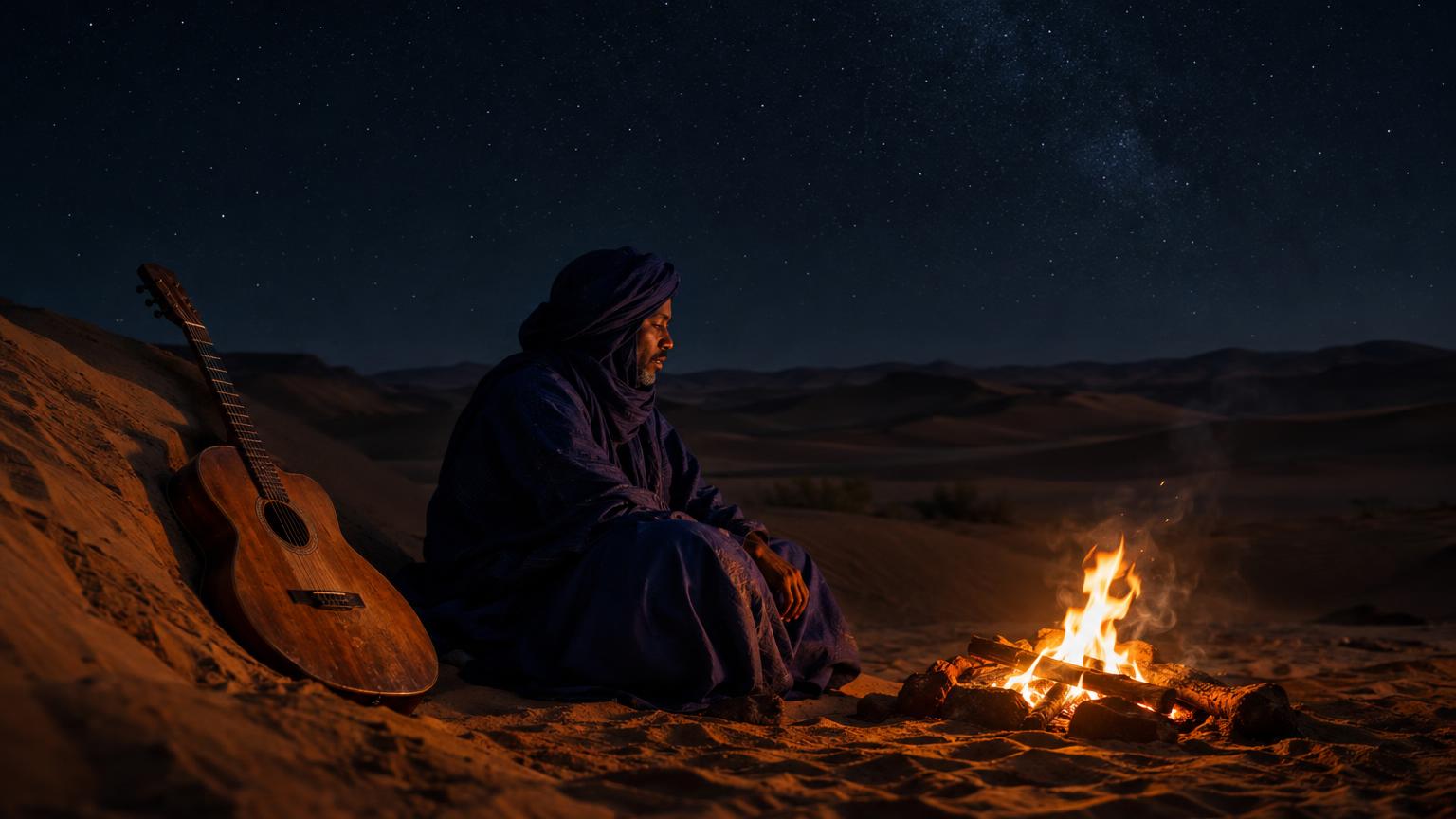
Homeward Song’s gentle return in Ewe, Fon, Français and English
A slow, 72 bpm piece where balafon and acoustic strings trace a gentle arc of departure and return; multilingual vocals (Ewe, Fon, Français, short English refrains) fold memory, exile and home into a warm, intimate sound.
 Article
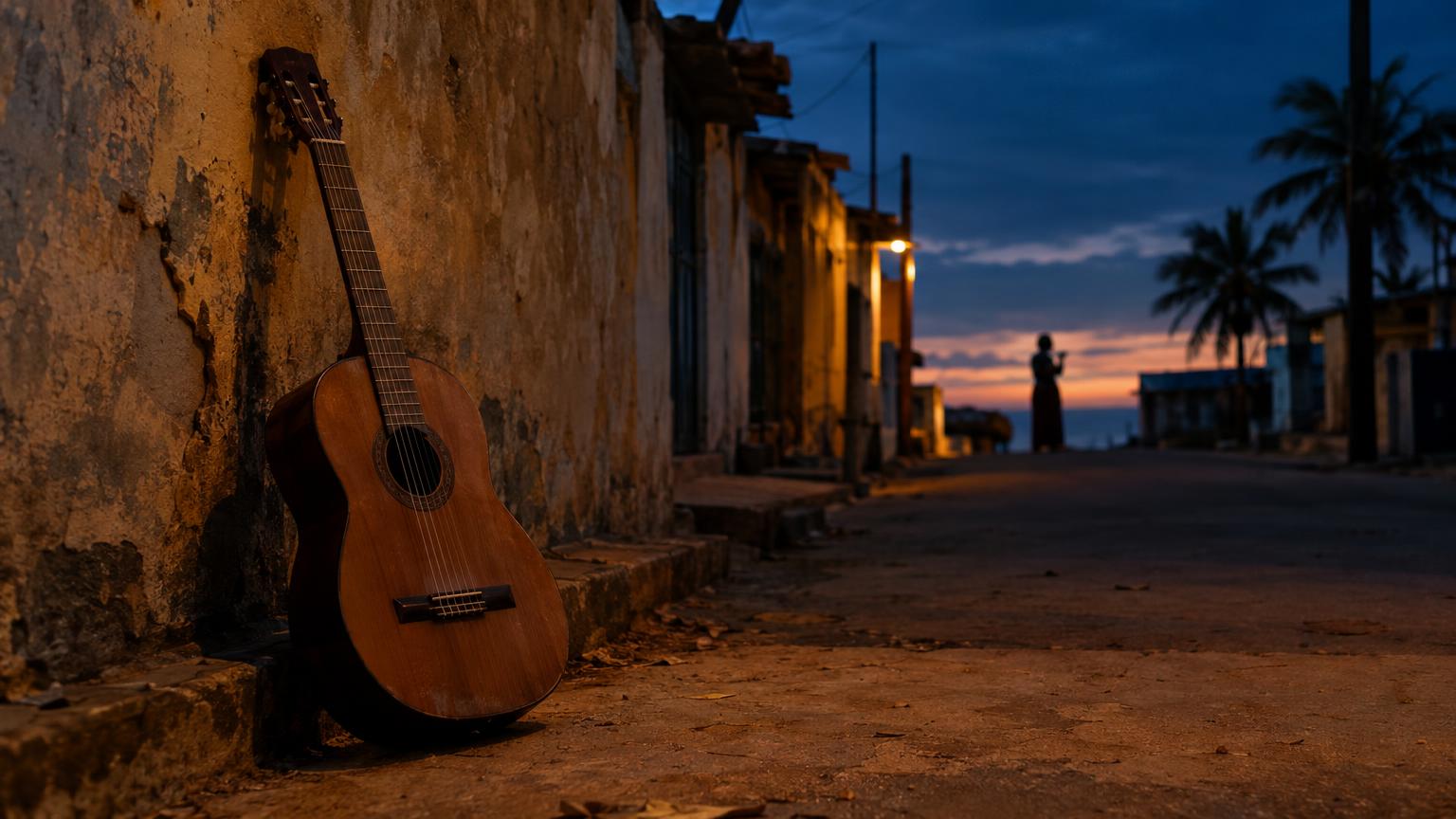
72 Beats and the Space for Memory in Assouf of the Sand
A deliberate 72 bpm beat settles the track into a measured sway. Long Tamasheq vocal lines unfurl across that grid while a concise French refrain punctuates themes of exile and home; sparse guitar and soft electronics make small gestures count.
 Article
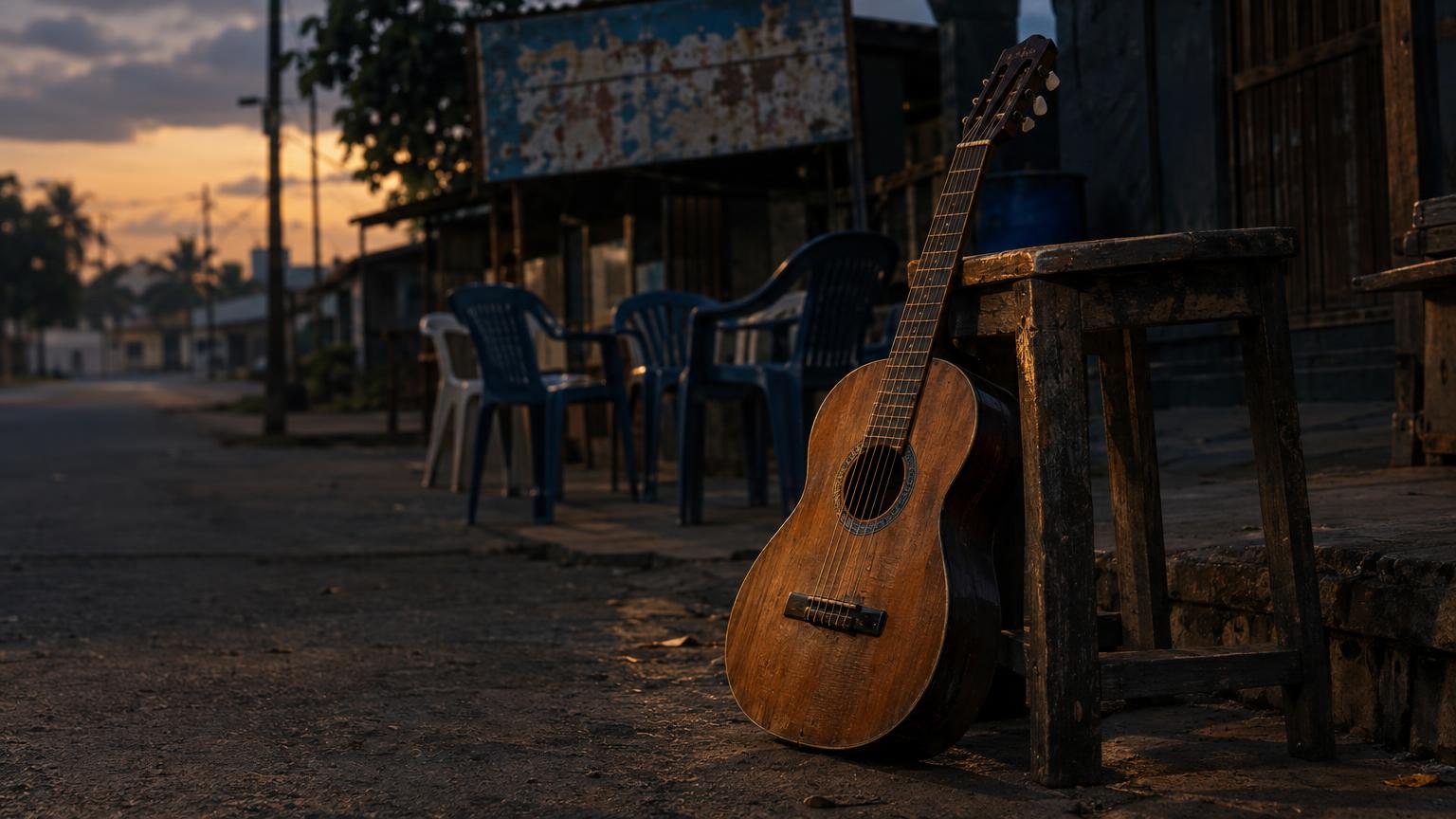
Zanvi Kpo, Fon narrative over a steady 88 BPM
Soft, measured 88 BPM palm‑wine: a picked nylon guitar and spare shakers cradle a Fon storyteller with recurring French refrains. Intimate, melancholic — listen close for small guitar answers and breath‑sized silences.
 Article
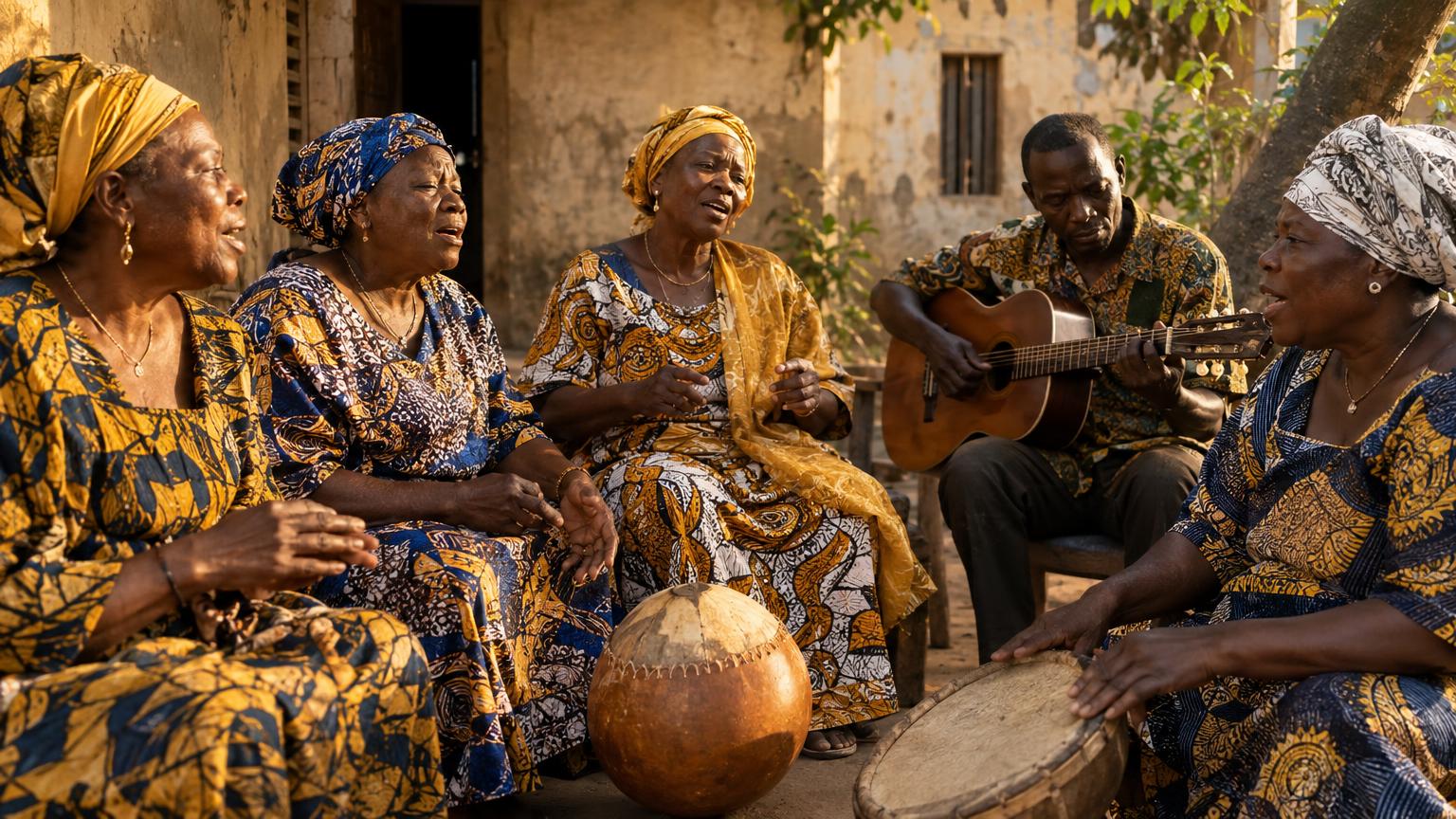
When Fon Tells the Story and French Marks the Refrain in Zanvi Kpo
A spare palm‑wine ballad at 88 BPM: a warm nylon guitar, whispering shakers and a low, felt bass cradle a long‑line Fon voice about lost youth while short French refrains return like memory markers — intimate, conversational and quietly insistent.
 Article
Sèna & Ensemble Azɔ’s Alèkè Gbè honors Beninese grandmothers at 88 bpm
A measured, palm-wine acoustic tribute sung in Fon at 88 bpm: intimate lead voice with call-and-response choir, palm-wine guitar, calabash, frame drums and shakers—gentle, communal music honoring Beninese grandmothers.
 Article
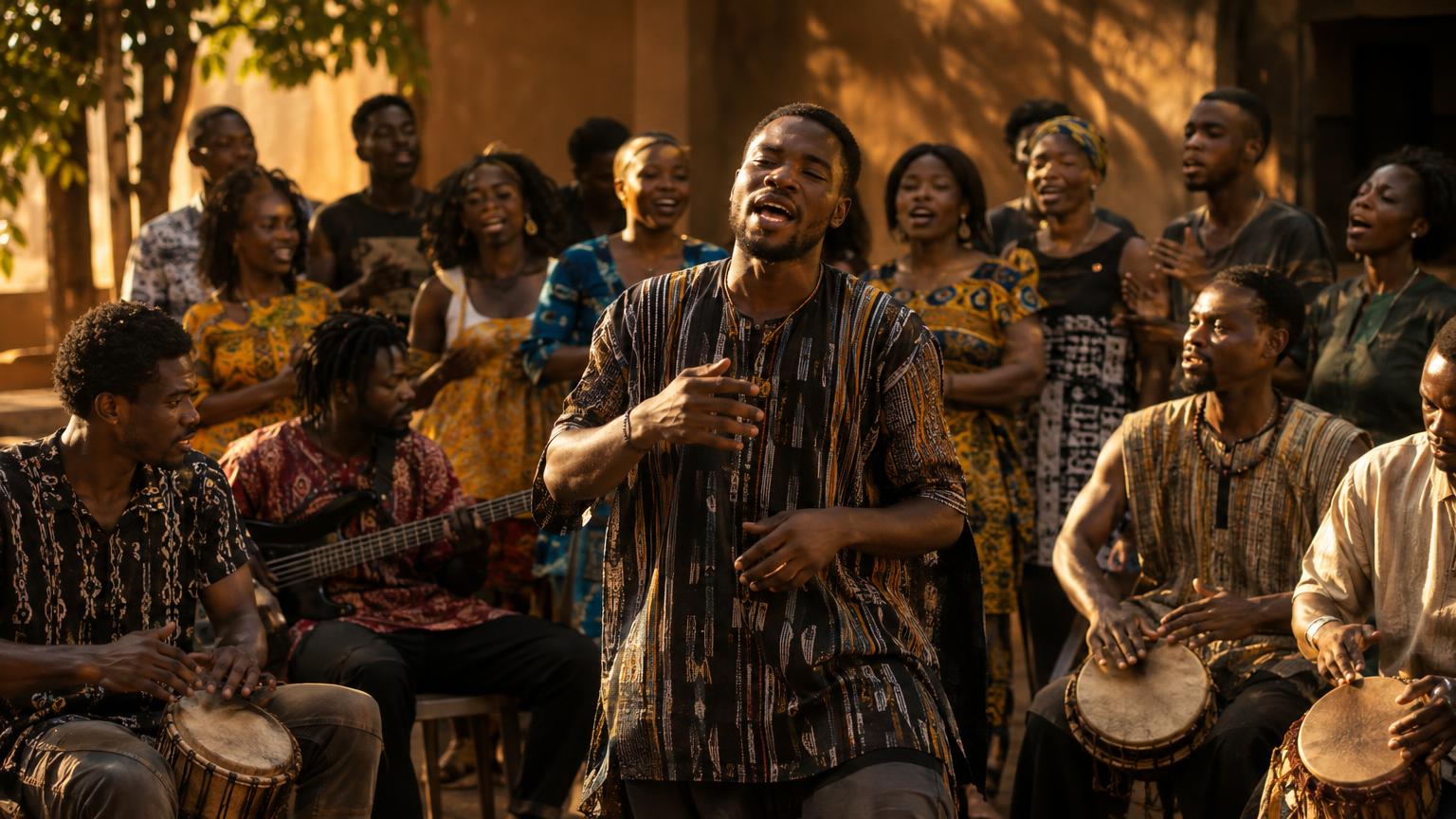
Gàn Wè, Kossi Tohossou’s Fon workout anthem from Benin
Fon-language Afrobeats from Benin at 100 bpm: driving djembe and talking-drum patterns, electric bass and punchy synths, voice-forward call-and-response. A gym-ready framework that frames power and ambition as rhythmic propulsion—ideal for focused, kinetic listening.
 Article
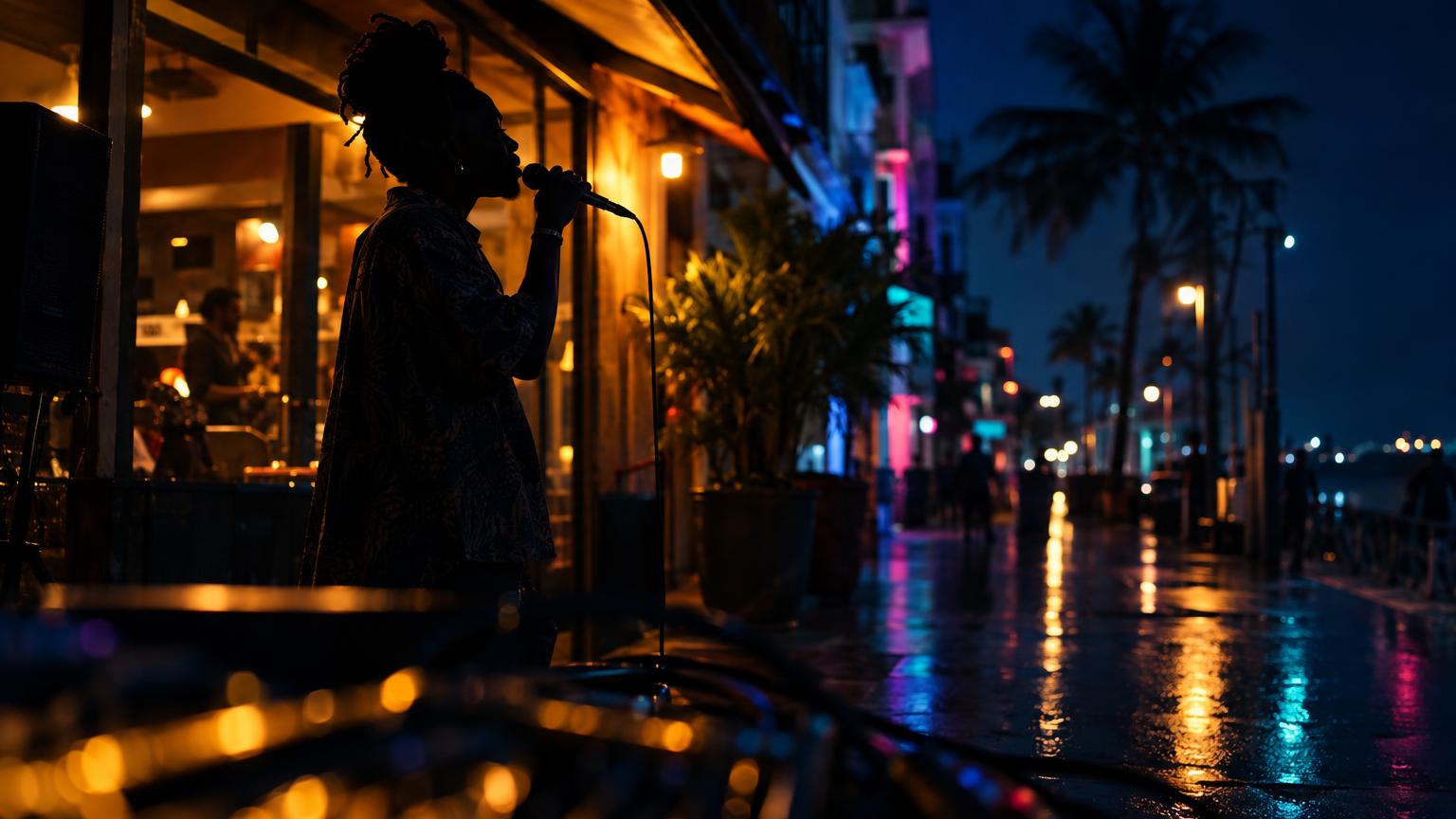
106 bpm Shapes the Languages in "Tomorrow Carries Us"
A steady 106 bpm holds French verses, compact Fongbé replies and a bright English chorus in place. Percussion, warm bass and communal choirs stack over that pulse, turning intimate lines into a wide, collective final chorus—rhythmic motion for bodies and groups.
 Article
What to Notice in Pesa Haziwatoshi
Deep, nocturnal Amapiano at 116 bpm: Swahili vocals from Zanzibar glide over heavy sub‑bass and rounded synths. A measured, head‑nodding pocket pushes themes of money and ambition into a late‑night atmosphere—press play to feel the low end and sway with the cadence.
 Article
Language at Work in Dantokpa Morning
A 110 BPM Afro‑Funk groove where Highlife guitar, syncopated bass and clinking bottles push a steady market pulse; Fongbé refrains invite call-and-response while English narration threads the scene. Press play for a communal, foot‑nudging groove.
 Article
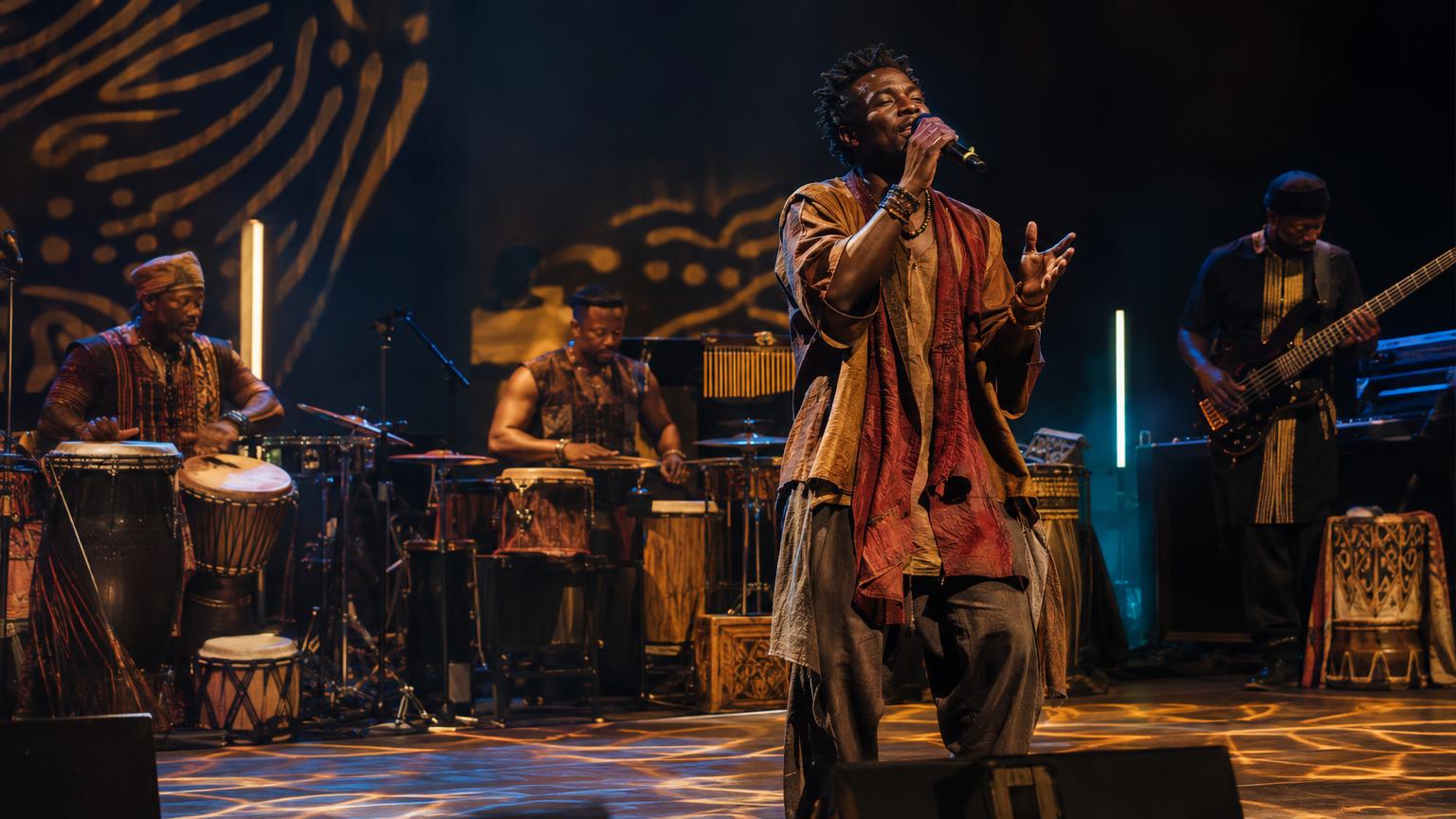
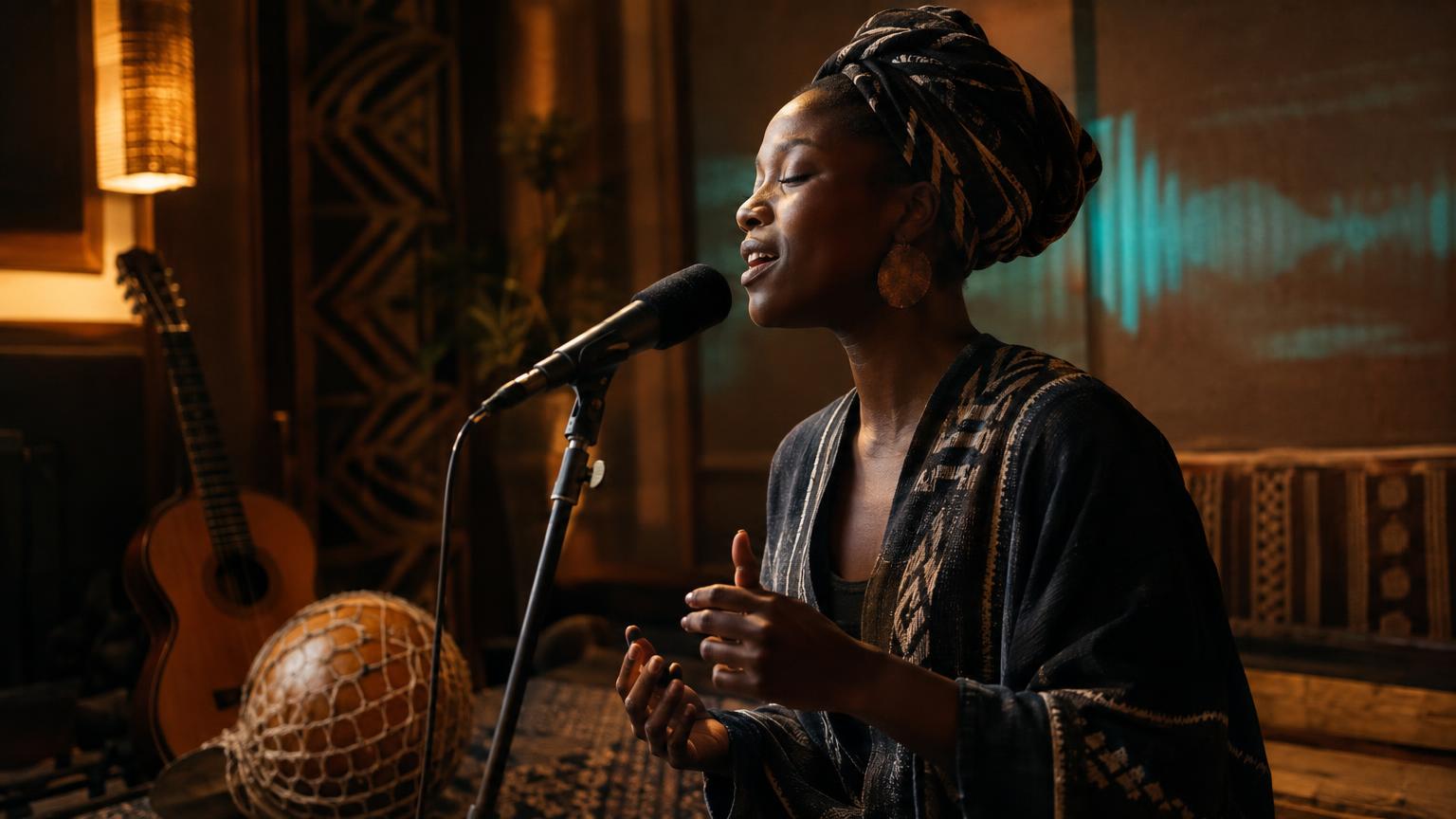
Stand Through the Storm: Zinli Puissant Meets Contemporary Bass — Culture, Stories and Sound
Dense, propulsive blend of Zinli puissant polyrhythms, live hand percussion and deep sub-bass; French and Fongbé verses ride percussive contours while an English refrain turns private testimony into a communal, insistent hook—urgent, proud, and made to move.
 Article
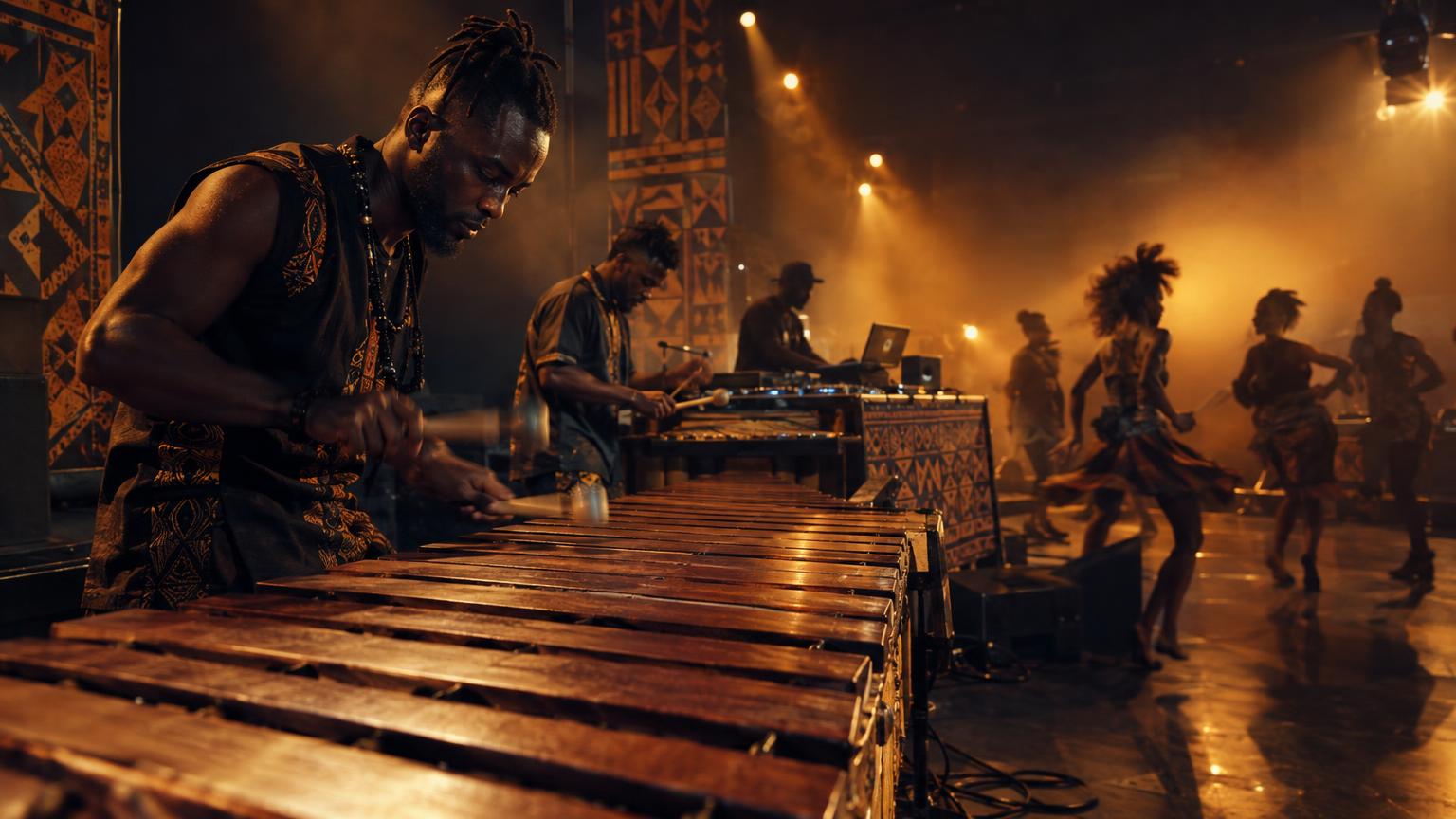
Zinli acoustique × Modern Textures: The Culture, Stories and Sound Behind "What the Elders Left"
Warm, acoustic-led Beninese song where calabash and nylon-string guitar cradle breathy Fongbé verses while French frames them. A slow-build pulse and intimate mic work turn household gestures into communal motion—press play for a small-group song that grows into shared momentum.
 Article
Bwera kuno — Malawi Afrohouse Tribal That Challenges You to Prove It
A Chichewa Afrohouse tribal track built around warm marimba plucks and a low, pulsing tribal bass. Its teasing hook — “Stronger than you? Prove it.” — pushes you to move, to answer back, and to feel a communal, athletic pride.
 Article
Two Steps Before Dawn: The Culture and Sound of Zinli Contemporain × Afro‑Soul Nocturne
A hush‑groove duet where French lead phrases and Fongbé replies fold over highlife‑style guitar and delicate ornamentation. Gentle Afro‑Soul pulse and close call‑and‑response make this a nightpiece for listening with headphones — press play to feel the conversation.
 Article
Le départ vers un autre horizon — Two Steps Before Dawn: A Nighttime Reunion in Zinli-Afro-Soul
A warm, nocturnal duet: French lead vocals answered in Fonbé, held by low bass, brushed percussion and a shimmering highlife guitar duet with subtle electronic touches. Press play for intimate call‑and‑response and a slow, dawnward swell.
 Article
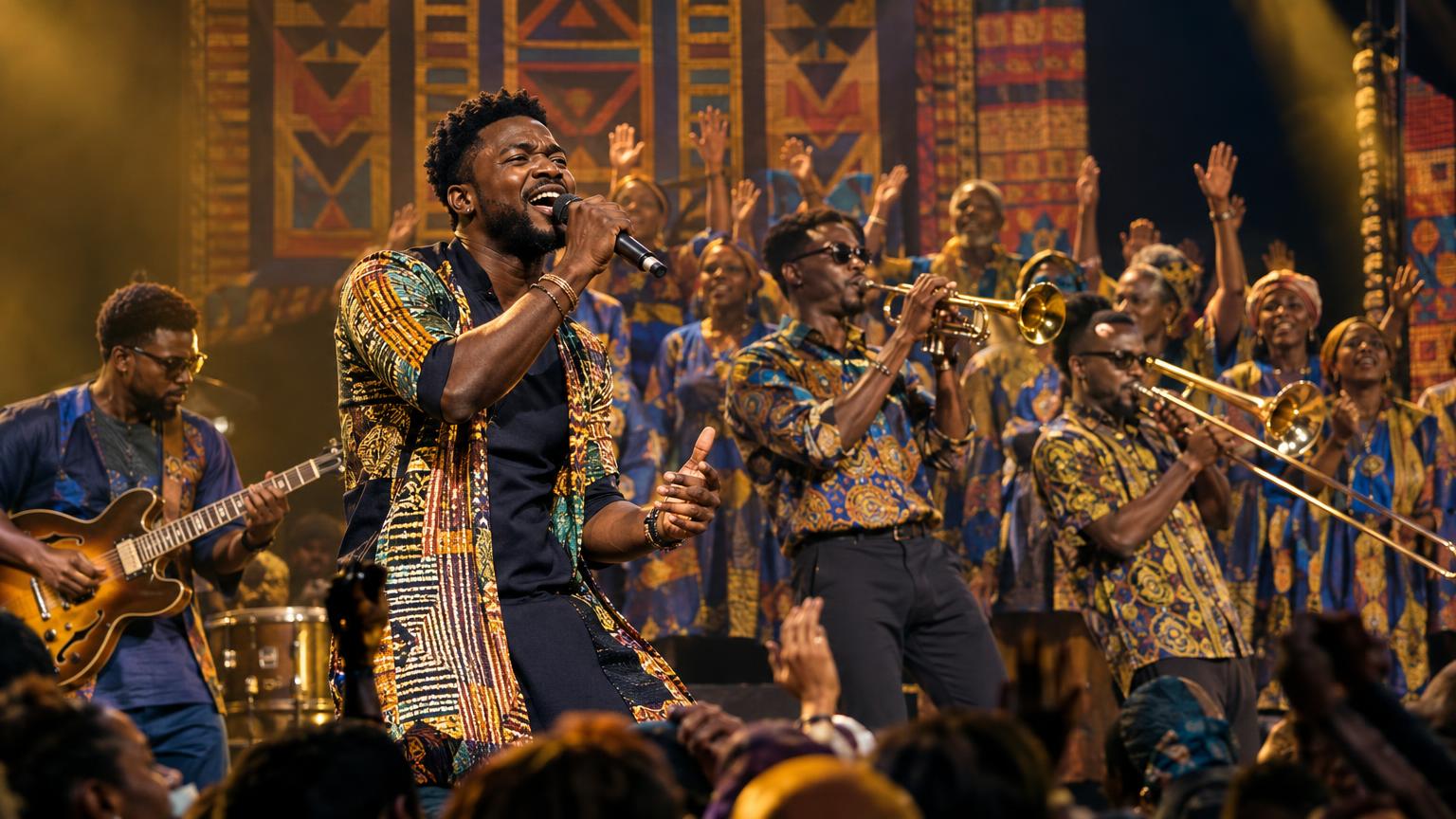
Abomey Never Sleeps: The Sound, Stories and Culture of Modern Zinli
A bouncing, dance-first bass pushes bright highlife guitar and syncopated brass into a communal groove. French verses, an English hook and Fongbé call‑and‑response turn streets and courtyards into places to move, answer and teach each other steps.
 Article
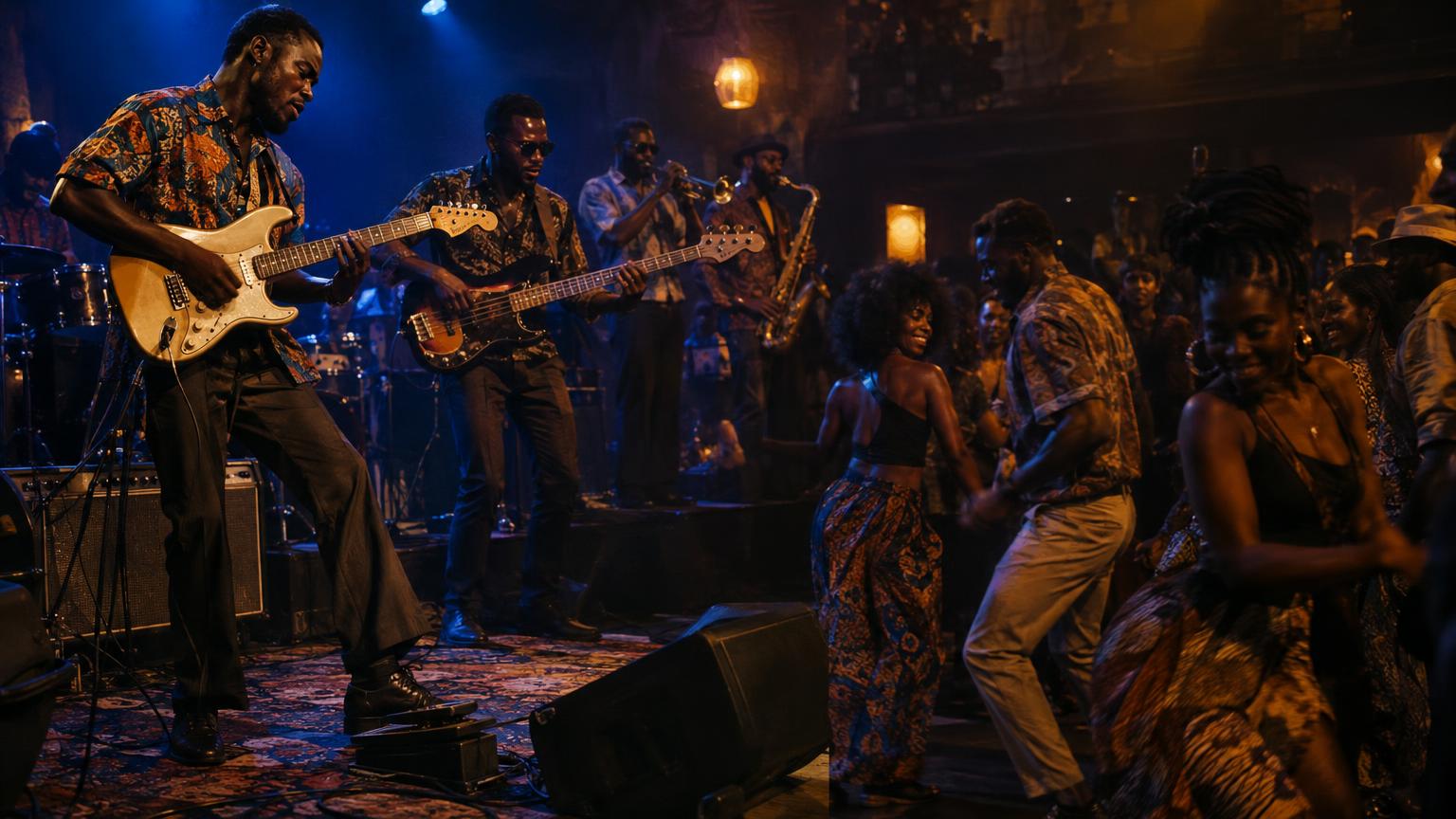
Benin We Rise: The Sound, Stories and Spirit of Afro-Funk Béninois
Bright, dance-ready grooves: ascending brass and a highlife guitar pulse ride pocketed funk drums while a communal choir answers in Fongbé and French with an English refrain. It’s music that invites movement, mass singing and local pride—press play to join the call-and-response.
 Article
Mi Wa, Sweet Fire: The Sound, Stories and Culture Behind Beninese Afro‑Funk Sensuality
Nocturnal, slow-burning Afro‑Funk groove: wah‑wah guitar, elastic bass, vintage brass, French verses with Fon (Fongbé) hooks. Sensual and danceable, built for close listening and the dance floor—listen for the bass pocket, guitar call‑and‑response and brass as breathlike accents.
 Article
No One Stops the Drum: The Culture, Stories and Sound of Beninese Afro‑Funk
A punchy Beninese Afro‑Funk cut where a low drum and layered percussion lock with Highlife guitar, raw organ and vintage brass; Fongbé call‑and‑response and English verses convert individual drive into communal determination—press play for relentless, participatory momentum.
 Article
Afropop Explained: Malawian Afropop and the Light of Mvula Iyamba
A warm, lightly syncopated Afropop with acoustic textures and a calm, restorative vocal. Bilingual Chichewa/English vocals and organic production evoke Malawi’s first rains—press play for gentle grooves and a reflective, near-tactile sound.
 Article
Pesa Haziwatoshi, Modern Street Amapiano Meets Afro Fusion
Low log-drum grooves, sparse piano stabs, airy pads and syncopated shakers cradle Swahili vocals about money and upward mobility — a nocturnal, addictive amapiano × Afro fusion cut built for late-night clubs and focused listening.
 Article
Dantokpa Morning: Afro-Funk from Cotonou : guitars, brass and market calls in Fongbé
A taut, rhythmic snapshot of Cotonou markets: looping Highlife guitars, bright brass punctures and metallic percussion propel call-and-response hooks in Fongbé. Press play for a groove built for movement, bargaining and collective voice.
 Article
Gold in My Steps: The Sound, Stories and Culture Behind a Beninese Afro-Funk Groove
A warm, dance-ready groove: syncopated bass and Fon percussion lock into Highlife-inspired guitar and vintage brass, while Fongbé call-and-response and English narration deliver a message of earned confidence that invites communal movement.
 Article
Afrohouse 2026: Night Drive Energy in "Usiku Wa Chrome"
A polished, club-ready Swahili track built around a steady four-on-the-floor pulse, layered percussion and glossy synth lines—ideal for night drives and late sets. Press play for driving rhythm and vocal hooks that foreground style and motion.
 Article
No Calculate: Nigerian Pidgin Afrohouse and Lagos Street Sounds
A beat-first Afrohouse track sung in Nigerian Pidgin, “No Calculate” pairs steady, repeating grooves with a voice that sits inside the rhythm. Press play for a dance-floor invitation: listen to how pulse, phrasing and Lagos night energy push you to move before thinking.
End of wall