Digital platforms are changing how West African music reaches listeners and how money returns to creators. Plays now flow straight from coastal studios and bedrooms to feeds in Abidjan, Lagos or Paris, but where those plays are counted still decides who earns.
That matters for people who love this music because visibility and revenue are no longer the same thing: Senegal is named as the only Francophone market that monetizes views on global platforms, while other markets report large audiences without comparable payouts, according to the original report.
Who gets paid and where
Streaming and social platforms concentrate discovery but not always income. The report identifies Benin, Togo and Ivory Coast as markets reportedly not monetized on YouTube despite large view counts, while Senegal is singled out as a Francophone market that does monetize views.
A direct consequence: a song can rack up millions of plays across West Africa and generate little revenue in the countries where it was heard. The gap between global attention and local payout fuels calls for technological sovereignty and African-owned platforms to keep more value in regional economies.
Artists from Francophone countries are filling stadiums in France, a sign of demand that operates separately from how platform rules treat plays. That split, audience vs revenue, shapes choices about touring, promotion and where to prioritise digital campaigns.
Sama Yoon: a palm-wine roadmap
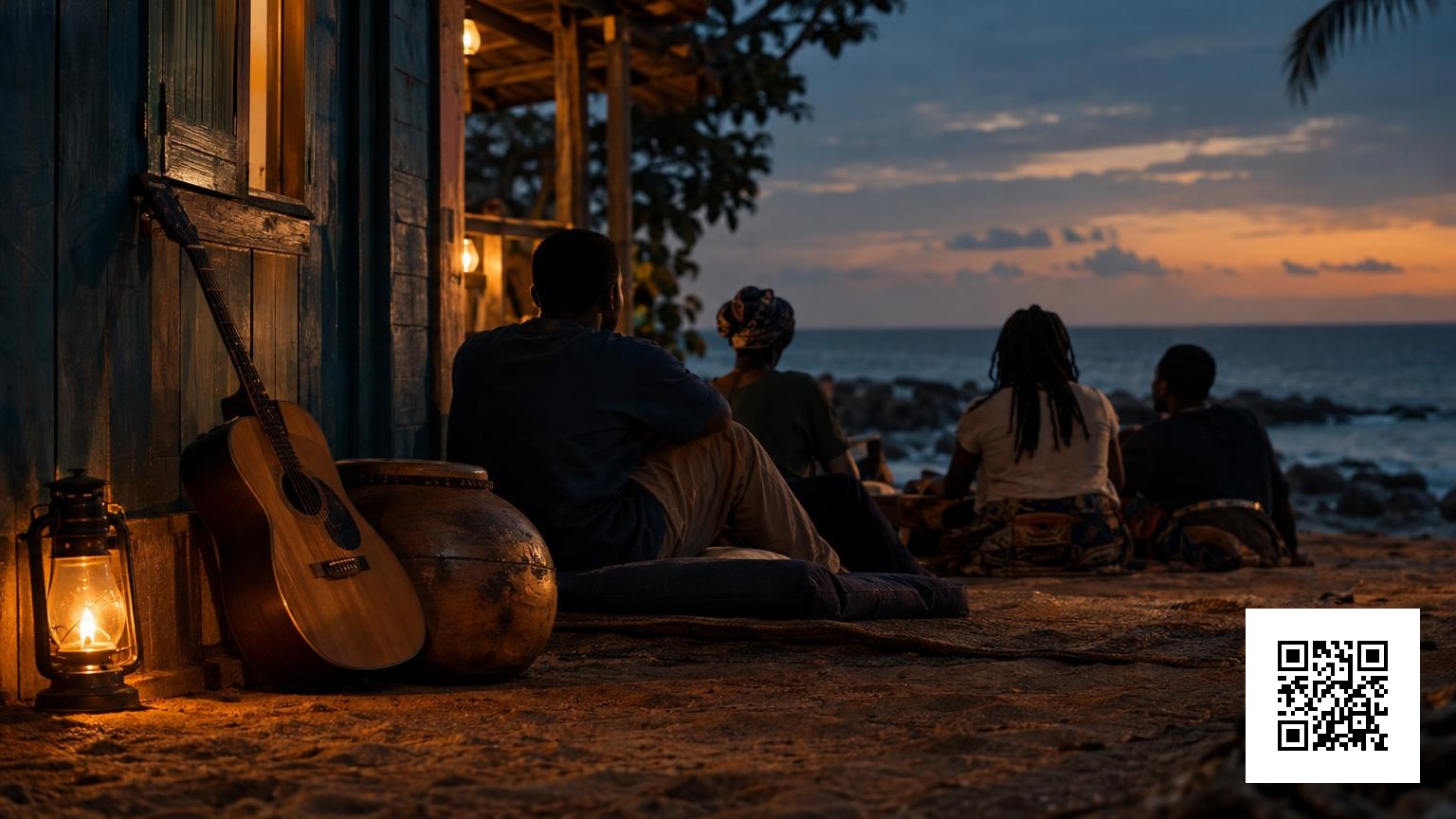
Sama Yoon is a tender Palm-Wine song in Wolof at 92 BPM, sung in a close, intimate voice and built around fingerpicked acoustic guitar, soft calabash percussion and a gentle backing chorus. The track names migration and memory, and its measured pulse gives the lyrics room to breathe.
Listen for small, repeating guitar figures and a chorus that answers the lead voice. Those details create what I would call Le goût de ça (the taste for it): a craving for the tiny sounds that carry home across borders. The arrangement is spare enough that each harmonic turn and percussive click feels like a map marker.
As an entry point on AFRIKANA, the single points to a strand of coastal West African storytelling: plain textures, steady tempo and a theme that resonates across diaspora playlists.
How songs travel and what listeners hear
Songs recorded in places away from former colonial capitals can go viral across the region: a clip from Cotonou can pick up momentum in Abidjan or Lagos, then reach global listeners through streaming and short-form platforms. Virality and monetization follow different rules.
For listeners this means you may recognise a song in playlists that cross borders while the artist sees little from those same plays. Exact per-track earnings are not provided in the report, so the numbers behind each view remain undocumented here.
To follow these movements on your phone, try the AFRIKANA app where curated Palm-Wine sets and Wolof selections sit alongside longplays that highlight coastal sounds. Hearing a single like Sama Yoon on those streams shows both how the music circulates and where the commercial friction still sits.
Palm-Wine Guitar | West African Soul
Palm-Wine Guitar | West African Soul names a coastal acoustic tradition where narrative singing, soft pulse and intimate textures dominate. On AFRIKANA this style sits among coastal selections and diasporic playlists.
Origins and development
Palm-Wine grew where coastal communities met travelers and trade, folding storytelling voice into small-group acoustic performance. In Senegal that lineage pairs a narrative lead with light, rhythmic accompaniment and call-and-response singing that travels easily between local gatherings and diasporic radios.
Defining traits
Tempo often sits in a walking range; this track is at 92 BPM, a pace that leaves space for phrasing. Fingerpicked acoustic guitar carries the harmony while calabash or similar hand percussion supplies a soft organic pulse. Vocal approach favours intimacy, with a backing chorus adding quiet harmonic weight rather than loud ornament.
How this track fits
This single follows the Palm-Wine template: acoustic storytelling, measured tempo and modest arrangement. The Wolof language and migration theme place it clearly in the Senegalese coastal sound world while keeping it portable for diaspora playlists and radio sets.
Styles to explore next
Nearby paths on AFRIKANA include other Palm-Wine guitar titles and modern coastal blends that bring local motifs into club contexts. For contrast, listeners can try more rhythm-forward Dakar styles that rework coastal traditions for dancefloors.
Original report: Read the original report on DW.com