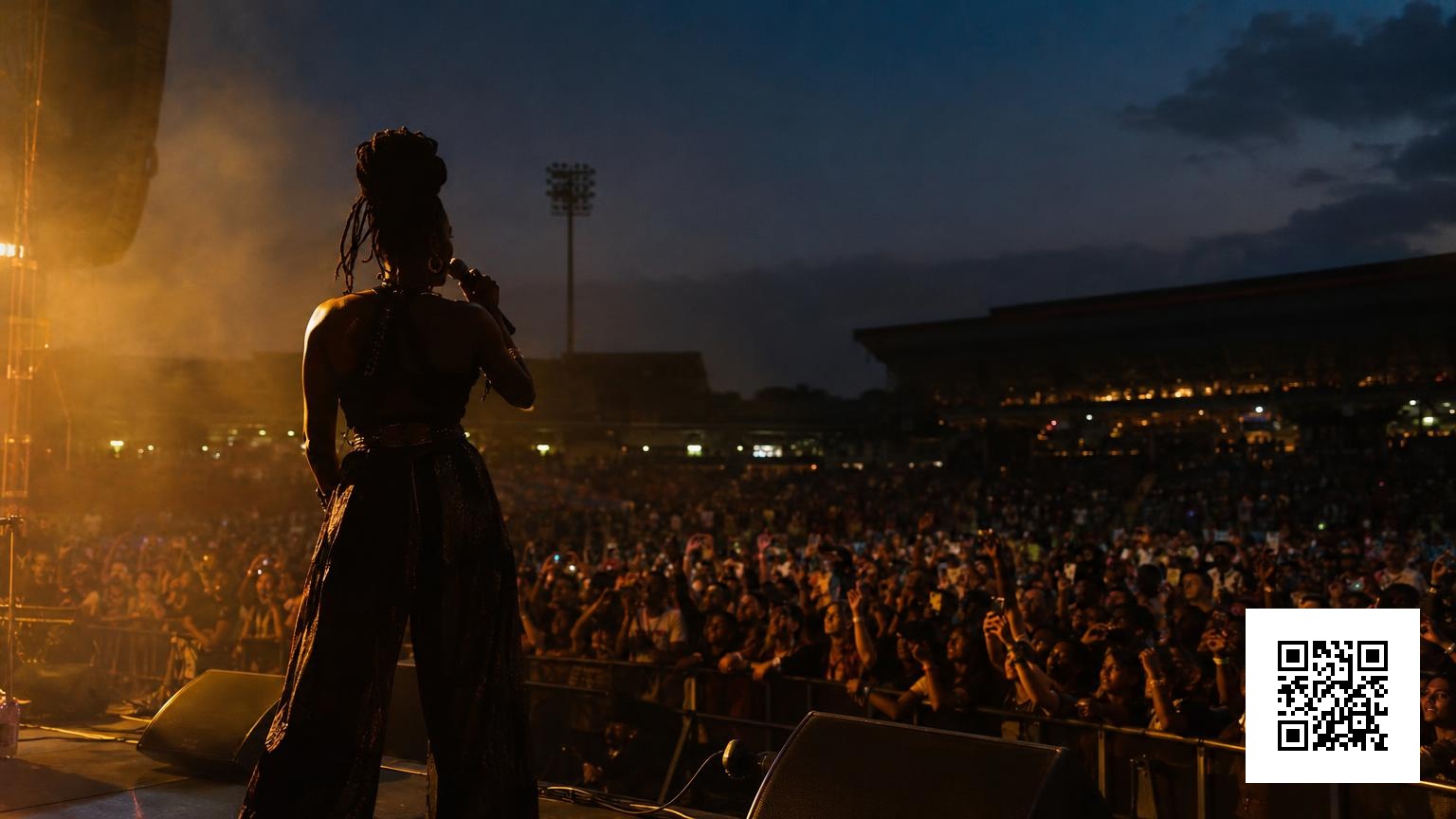
112 BPM is the tempo that sets L’Argent Vite in motion. From the first bars a ronde basse and log drums patterns create a wide rhythmic pocket shaped for large crowds; the arrangement makes room for repeated lines to land as communal calls.
Voices move between Français, Pidgin and Duala expressions. The theme is the illusion of easy money: pressure, temptation and the choice to keep dignity. We know the song’s tempo, languages, main rhythmic elements and mood; it does not list performers or recording credits.
112 BPM and the stadium pulse
That specific tempo places the track between a danceable groove and a marchable anthem. The mid-tempo push lets phrases stretch without hurry and gives the chorus space to become something a crowd can chant together.
Log drums articulate the beat and open the percussive field. Their spacing produces breathing room around the ronde basse, which matters in a stadium where call and response needs time to travel through the stands.
Power here comes from steadiness and repetition. Short, repeated statements function as slogans rather than private confessions, which is why the piece reads so clearly as a federating song.
Basse ronde and guitares syncopées
A basse ronde holds the track. The low end is round and insistent; harmonic motion stays economical so the rest of the arrangement can play with space and timing.
Guitares syncopées add offbeat motifs that slip around the pocket. Those punctuated figures provide continental colour and rhythmic counterpoint without diverting attention from the vocal centre.
Together these elements make a groove that nods to makossa movement while enlarging it for a stadium frame. The result reads as both a dance groove and a public chant.
Trilingual voice: Français, Pidgin, Duala
Lines trade between Français and Pidgin, with Duala used as local punctuation. French carries broad, declarative statements; Pidgin supplies colloquial bite; Duala phrases act as emphatic markers for listeners familiar with them.
Repetition across languages produces easy hooks. The refrain repeats « Le goût de ça », meaning "the taste of that", a short verbal motif that signals temptation and recognition and that listeners can pick up quickly.
Because diction splits across three registers, call and response can address different publics at once. The layered address helps the chorus operate as a public warning and an invitation to sing along.
Theme, mood and who it speaks to
The declared theme is fast money as illusion: pressure, temptation and the choice to keep dignity. Mood labels for the song are mid-tempo puissant, hypnotique and déterminé; the arrangement alternates narrower, inward verses with a more anthemic chorus.
Emotion is delivered by contrast. Verses feel focused; refrains open into a federating energy aimed at a crowd rather than an intimate listener. That architecture makes the track usable both on a dancefloor and in a stadium moment.
For listeners curious about regional grooves and mass chants, the song sits between club pocket and civic hymn. It offers a clear address to public audiences while keeping a steady groove that invites movement.
Afro Makossa × Amapiano
The genre label names what is happening: a makossa backbone shaped by Amapiano’s log drums and a spacious mid-tempo pulse. The track becomes a stadium-scaled makossa by borrowing percussive breathing from amapiano patterns.
Origins and context
Makossa supplies the rhythmic logic here: a danceable urban groove that centres movement on syncopation and steady low tones. Amapiano contributes percussive space through log drums patterns that spread the pocket wider than typical club textures.
Placed together, these elements let a regional dance form read at larger scale. Local rhythmic markers are preserved but arranged for mass participation, so familiar gestures become suitable for public singing.
Defining traits
On this recording the defining traits are explicit: 112 BPM tempo, a basse ronde, guitares syncopées and log drums that open the rhythmic field. Vocals combine Français, Pidgin and Duala, alternating declarative lines and colloquial exclamations so the message reaches different listeners.
The mood tags mid-tempo puissant, hypnotique and déterminé describe both arrangement and delivery: steady propulsion with focused vocal intent rather than frantic ornamentation.
How this track fits and bends the style
L’Argent Vite keeps makossa’s danceable heart while stretching its chorus into a stadium anthem using amapiano’s percussive breathing. It enlarges makossa’s usual scale, shifting emphasis from intimate dancefloor detail to communal repetition and mass call and response.
That choice makes the song feel like a bridge: familiar rhythmic markers are preserved but repurposed for larger gatherings, turning small motifs into chantable slogans.
Neighbouring styles to explore
To follow similar paths, try AFRIKANA’s Makossa radio longplay and Afropop & Amapiano mixes, which place regional grooves against club textures. Both are useful next stops for listeners who liked the stadium energy here.
You will also find related pieces in celebratory playlists that prioritise mass participation over minute dancefloor detail. For app access and quick listening, see the L'application AFRIKANA and the Makossa longplay on the site.