Afrikana Best Sounds
Muziki wa Kiswahili 2026: Bongo Flava, Taarab & Singeli
Kiswahili-language music in 2026 balances Dar es Salaam’s Bongo Flava, the Indian Ocean taarab tradition and Singeli’s rapid MC culture. This page maps those three currents, explains how they meet on playlists and webradios, and points to a Swahili single you can play now on Afrikana Best Sounds.
Bongo Flava: Dar es Salaam’s urban soundtrack
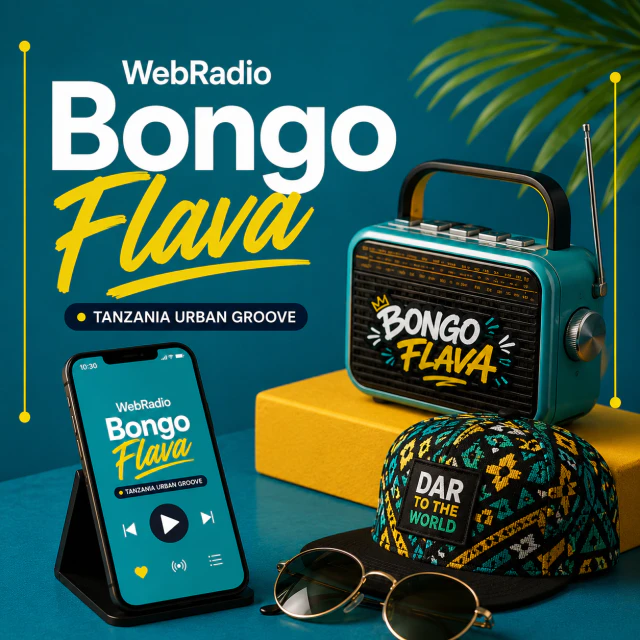
Bongo Flava emerged from Dar es Salaam’s youth scenes in the 1990s as a local synthesis of hip‑hop, R&B, dancehall and Tanzanian melodic traditions. Its name and identity grew in Kinondoni and other city neighbourhoods as producers and MCs turned local slang and Swahili lyricism into national radio hits.
Across the 2010s and into 2026, Bongo Flava has remained a platform for topical songwriting while producers fold in contemporary textures — from amapiano‑informed percussion to Afropop synth work — without losing the Swahili vocal focus that keeps songs rooted in East African audiences. Radio programmers and curated streams repeatedly pair classic Bongo Flava cuts with newer cross‑genre productions.
Taarab: Indian Ocean songcraft and modern forms
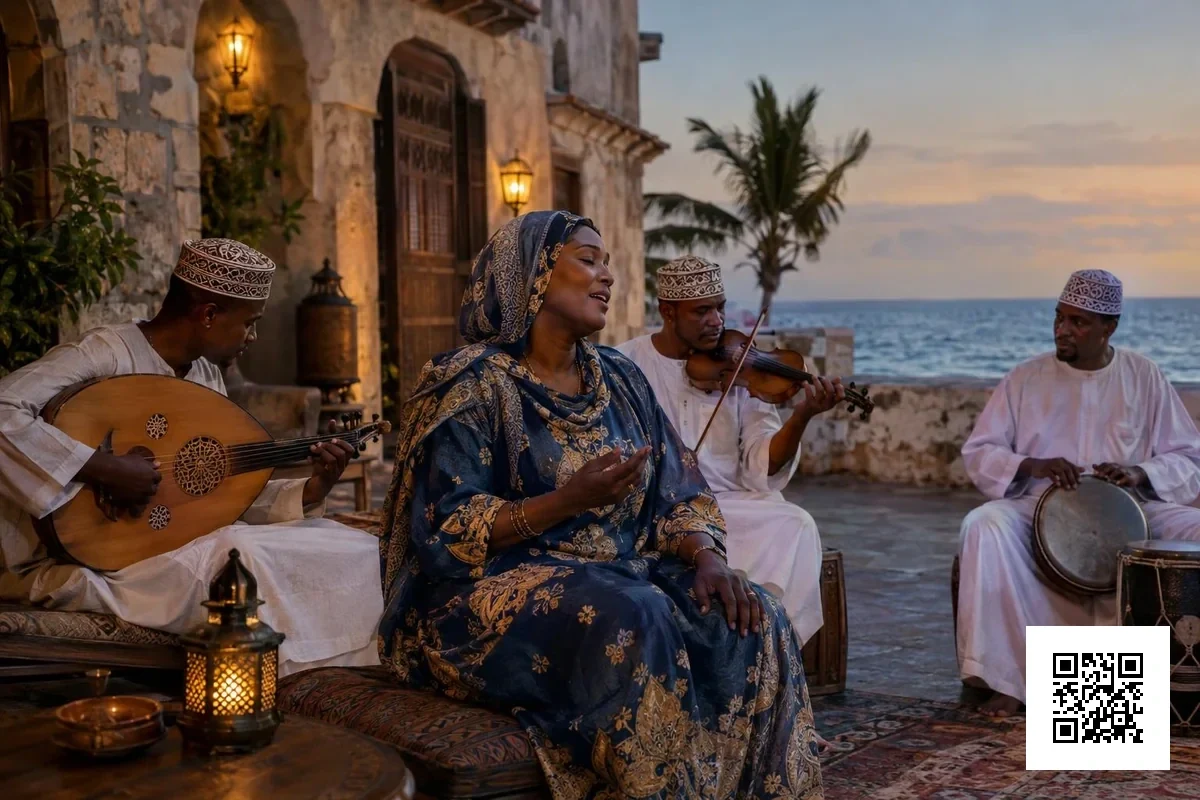
Taarab is the long‑standing coastal form born in Zanzibar and the Swahili littoral in the late 19th and early 20th centuries; it fused Arabic, Indian and East African orchestral practices and was widely popularised by early recording artists such as Siti binti Saad. The genre’s string arrangements and sung poetry remain central to many coastal celebrations and radio shows.
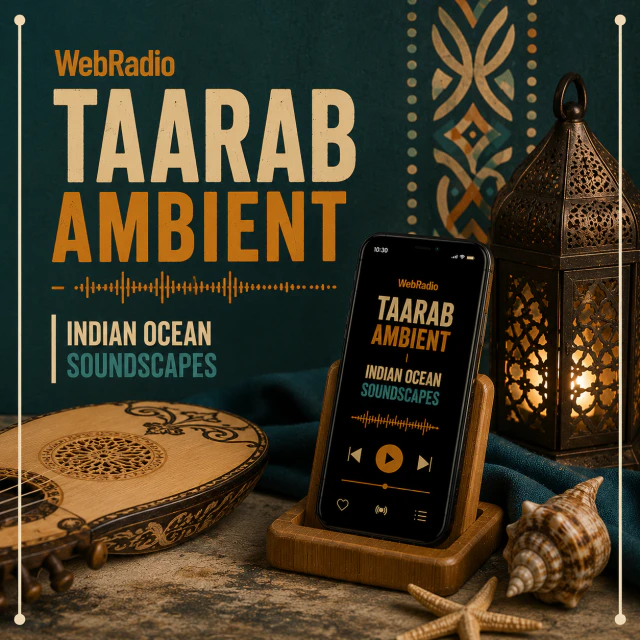
In recent years taarab has pluralised: some ensembles preserve the classical orchestration and modal singing, others transplant taarab phrasing into ambient, cinematic or electronic productions that reach listeners on themed streams and curated playlists. That coexistence—traditional troupes alongside experimental producers—keeps taarab audible both on the coast and in urban programming.
Les sons d’Afrikana Best Sounds
Singeli: Dar es Salaam’s high‑speed voice
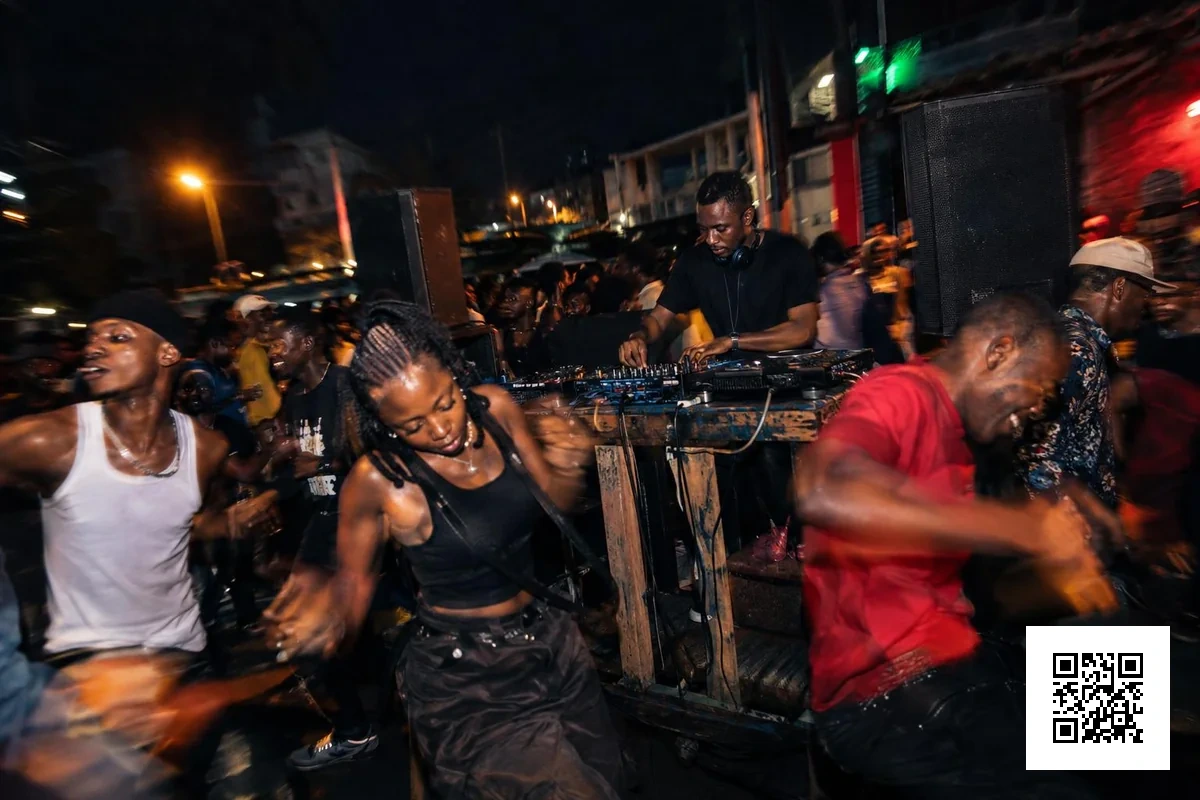
Singeli is the youngest of the three currents and grew from neighbourhood parties and DJ sets in Dar es Salaam during the 2000s–2010s. The form pairs rapid beats with MCs who deliver extremely fast vocal lines; several accounts place early scenes in wards such as Mburahati and Tandale where local DJs and MCs accelerated tempo and style.
Producers and labels gradually professionalised Singeli, and the genre now appears in festival sets and online playlists. Its characteristic speed (often cited well above typical club BPMs) and call‑and‑response energy make Singeli immediately recognisable on a mix or a webradio hour.
How Kiswahili language, scenes and producers connect
Kiswahili (Swahili) is a practical anchor: it lets a Bongo Flava verse, a taarab refrain and a Singeli MC speak to overlapping audiences across Tanzania, Kenya and the wider East African coast. Producers routinely move between scenes, inviting taarab singers onto urban tracks or sampling coastal strings inside Afropop arrangements to create hybrid moments that travel on radio and playlists.
Those crossovers explain programming choices on platforms and webradios: a single Swahili lyric can link a slow, orchestral block to an upbeat urban set. Afrikana Best Sounds groups these connections so listeners can follow language‑first routes — from coastal taarab sequences to Dar es Salaam dance floors — without losing the context each style carries.
Listen: where to start on Afrikana Best Sounds
If you want a guided entry, start with a Bongo Flava playlist to hear contemporary songwriting in Swahili, then sample a taarab ambient set to notice orchestral lines and phrasing, and finish with a Singeli card for the tempo shock. On Afrikana Best Sounds the playlists below and the featured Swahili single let you switch between full‑hour streams and single tracks instantly.
Use the webradios when you want continuous listening (coastal hours, urban nights, or language‑first streams). The links and playlists on this page point directly to curated sets and to a Swahili single you can play now on the Afrikana Best Sounds app and web player.
FAQ
What is the difference between Bongo Flava and Swahili music?
Bongo Flava is an urban genre born in Dar es Salaam during the 1990s that blends hip‑hop, R&B, dancehall and local songwriter traditions. 'Swahili music' or 'swahili music' is a broader label for any song sung in Swahili, including taarab, dansi, folk and contemporary pop.
Is taarab only from Zanzibar?
Taarab has deep historical roots in Zanzibar and the Swahili coast, but it circulated widely across coastal East Africa and the mainland; its 19th–20th century development and early recording artists helped it travel beyond the islands.
How fast is Singeli and where did it start?
Singeli is known for very high tempos and rapid vocal delivery; researchers and press link its early scenes to Dar es Salaam neighbourhood parties in the 2000s–2010s (wards such as Mburahati and Tandale are repeatedly cited).
Where can I hear curated Swahili playlists and a Swahili single?
Afrikana Best Sounds hosts dedicated Swahili playlists and webradios that gather Bongo Flava, taarab and Singeli sets. Try the curated playlists below and the featured Swahili single to sample each strand on the app or the web player.
Read also
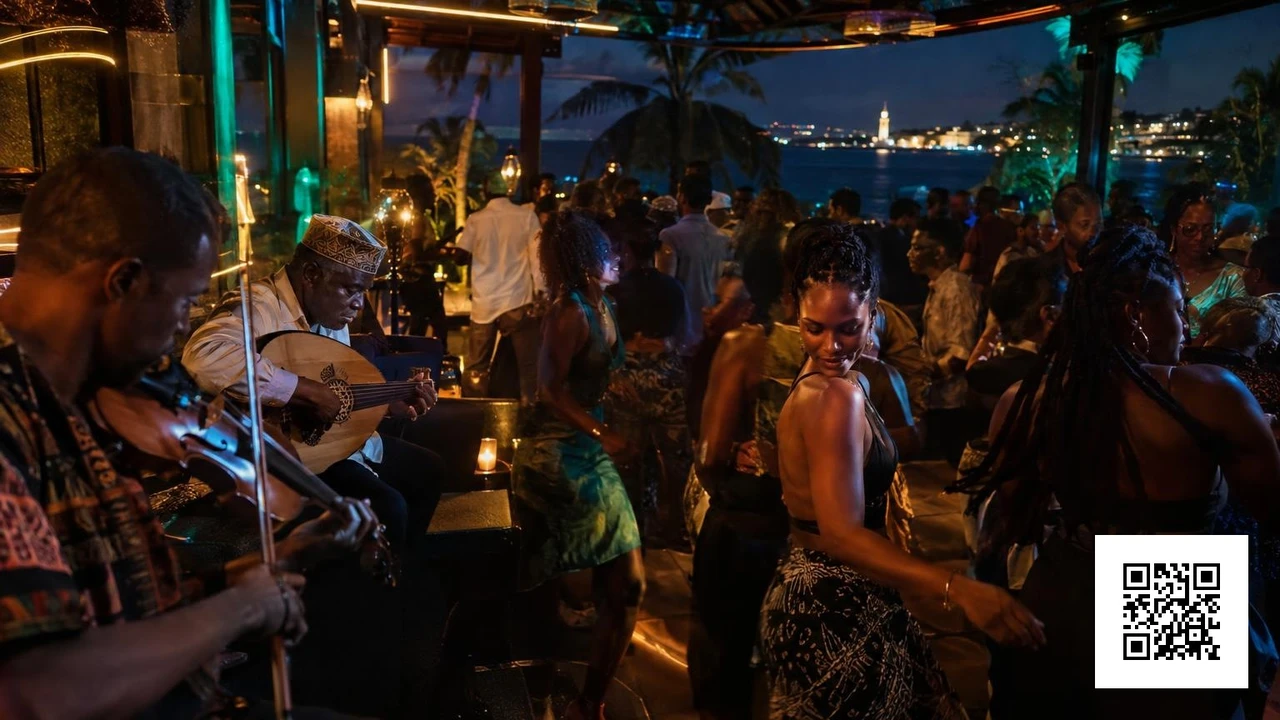 Bado usiku — Zanzibar taarab at 128 BPM (feature)Read
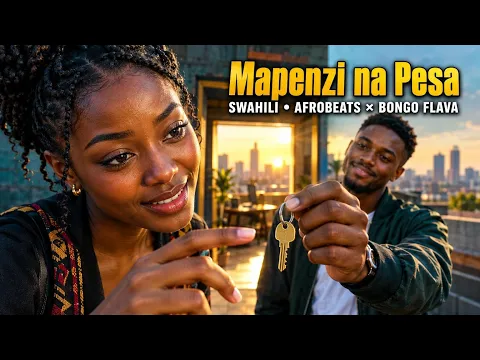
 Mapenzi na Pesa — Swahili‑first single featureRead
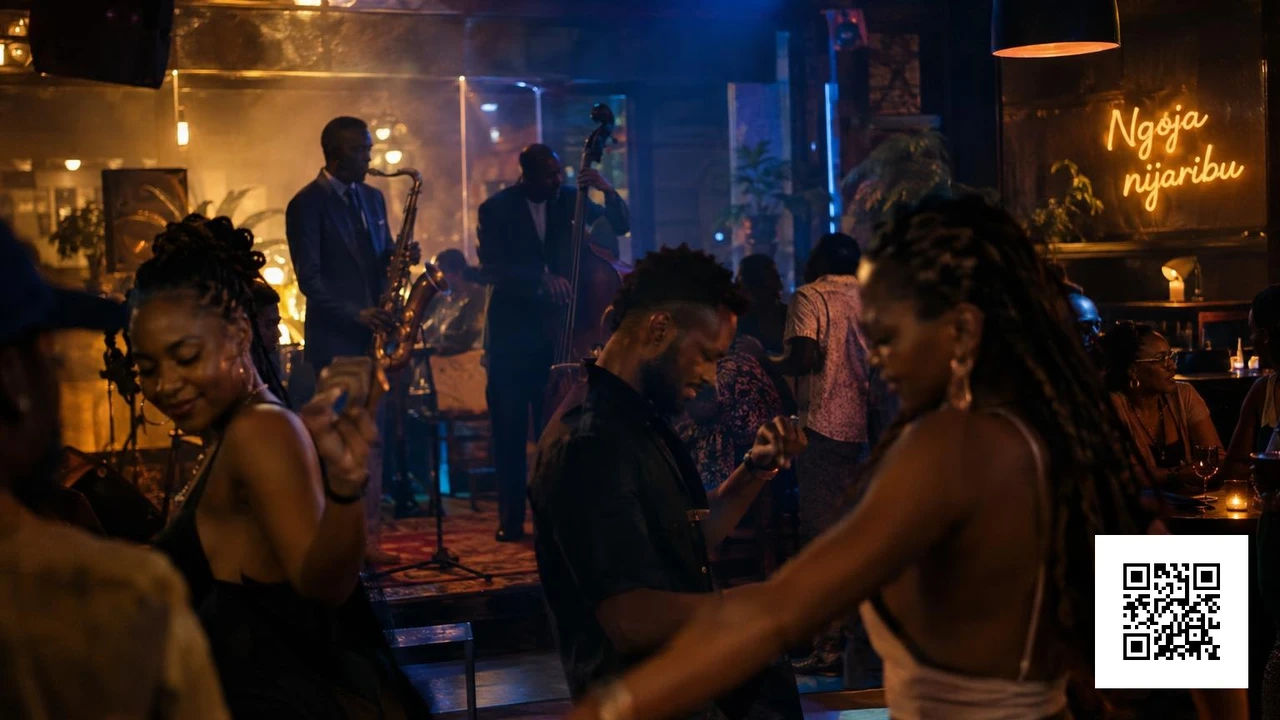 Ngoja nijaribu — Swahili chorus and Sheng in modern songsRead
Afrikana Best Sounds, the radio and the app
Afrikana Best Sounds is a radio and a free app dedicated to African music. You will find singles to discover, themed webradios to listen to around the clock, dedicated playlists and the Heart of Africa magazine. The app is available for free on Google Play for Android and on the App Store for iPhone and iPad.