Afrikana Best Sounds
Contemporary Ethio‑Jazz: Addis Ababa, the Diaspora and New Sounds
Ethio‑jazz today mixes the 1960s “Swinging Addis” heritage with new players in Addis Ababa and collaborations across the UK, France and the United States. This page maps the scene — key artists, venues, diaspora projects and listening options on Afrikana Best Sounds — and points you to curated playlists and radio streams to listen right away.
Addis Ababa: where the modern ethio‑jazz pulse keeps beating
Addis Ababa remains a reference point for ethio‑jazz history and present‑day experimentation: cultural houses like Fendika and hotel clubs such as the African Jazz Village keep live jazz nights on local calendars while new DIY spaces create weekly sessions for young bands.
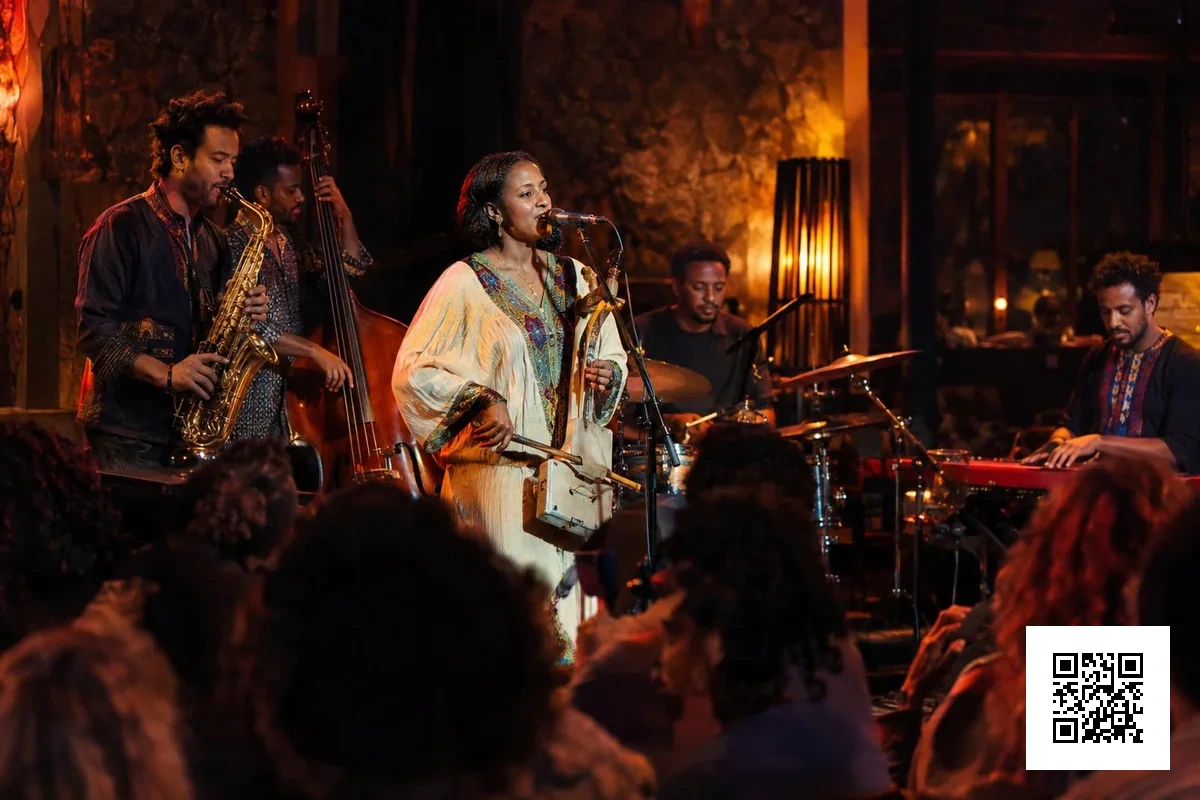
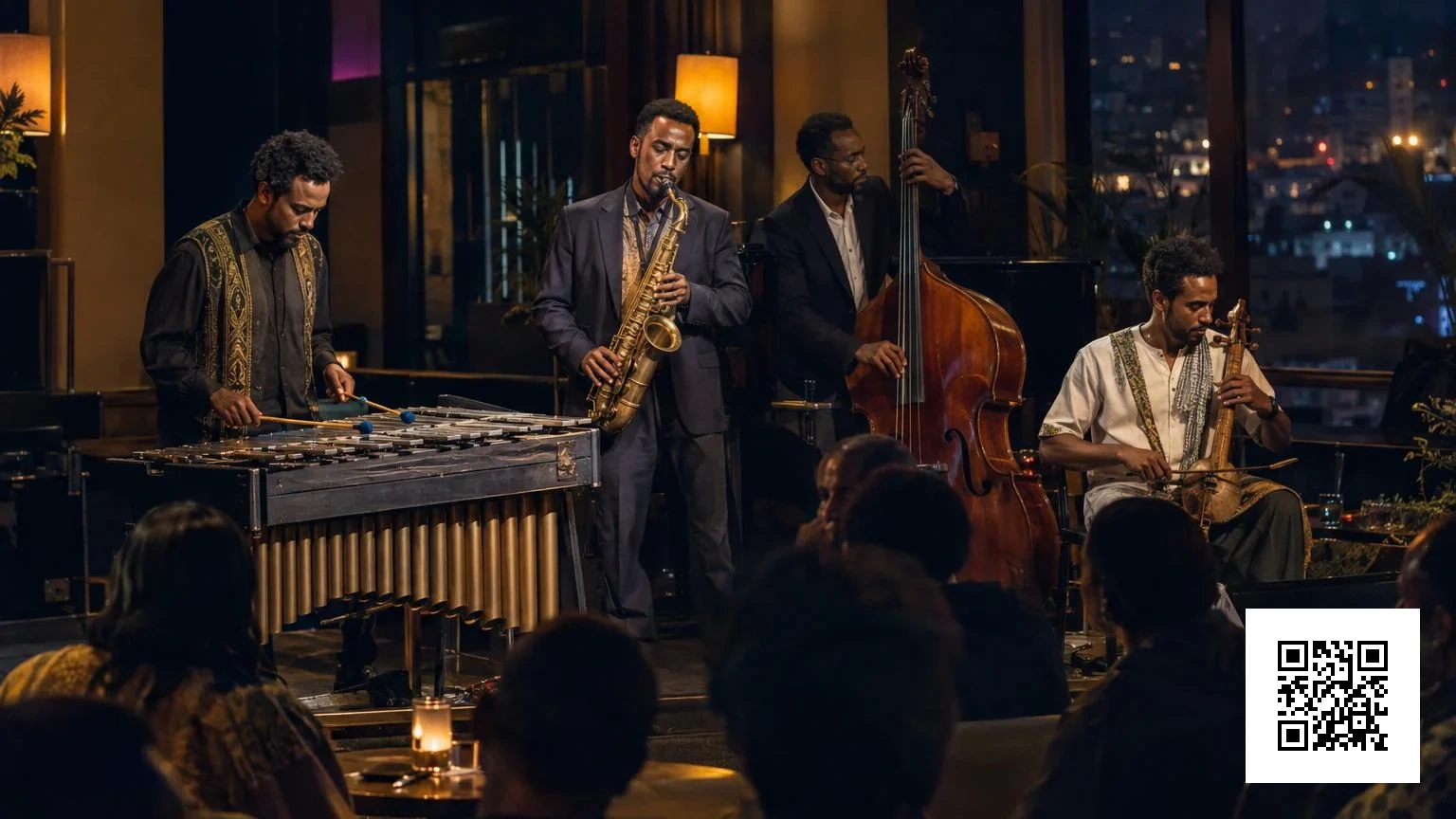
Musicians in Addis draw on pentatonic modal systems, azmari song forms and modern production; many nights pair traditional instruments (masenqo, krar) with keyboards, vibraphone and electronics, letting the city’s layered rhythms feed both quiet improvisation and danceable grooves. Local promoters and collectives now run curated jazz showcases and residency nights to reconnect audiences with live ensemble music.
Mulatu Astatke and the living tradition of ethio‑jazz
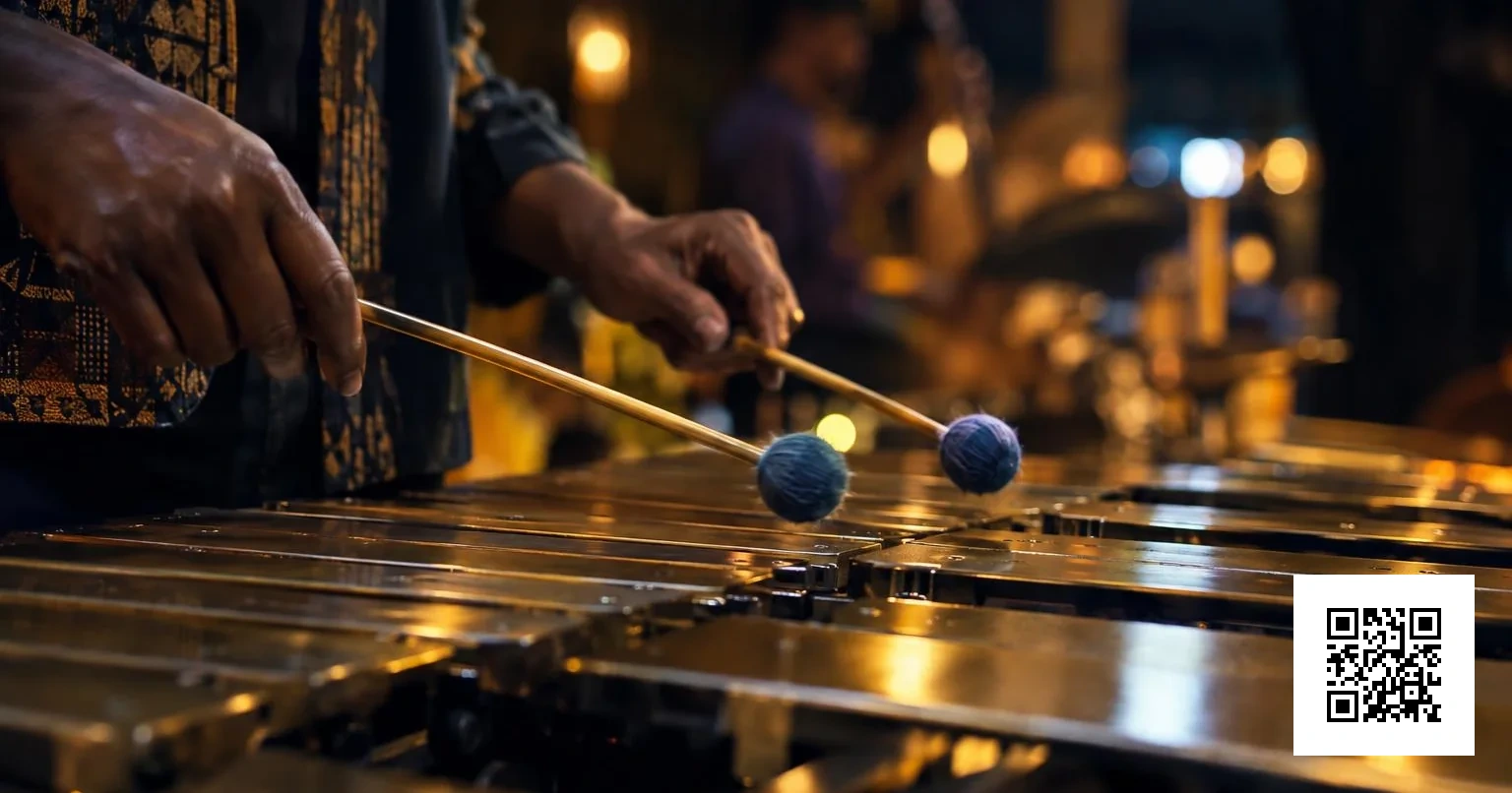
Mulatu Astatke’s role as the genre’s founding figure remains central: his arrangements, vibraphone-led textures and decades of collaborations have shaped how ethio‑jazz is played and heard today. Recent interviews and reissues around his work underline how his music bridges Addis and international stages.
In 2025 Mulatu recorded and released work made between London and Addis, working with UK ensembles and musicians at his Jazz Village club in Addis — a model now familiar to a generation of artists who split creative time between capital cities and diaspora communities. Those projects demonstrate how the tradition adapts while keeping specific Ethiopian modes at its core.

Les sons d’Afrikana Best Sounds
AfroJazz Flow | African Soul & Improvisation
The diaspora: London, Paris and the US scenes in dialogue
Ethio‑jazz travels with Ethiopian communities and with artists who pick its scales for new hybrid songs. London and other European hubs host performances, studio collaborations and album projects that mix Addis players with local producers; that exchange has produced records and festival appearances that reframe ethio‑jazz for global audiences.
Diaspora programming — from club shows to curated radio sets and streaming playlists — has helped younger listeners discover both vintage recordings and new bands. Afrikana Best Sounds connects those routes by offering themed webradios, playlists in Amharic and Amharic‑adjacent collections, and single tracks chosen to show how the sound evolves across continents. (See listening options below.)
How to listen: playlists, radios and what to follow next
Start with dedicated Amharic and afro‑jazz playlists and then branch to cross‑border mixes that pair jazz improvisation with contemporary afro‑fusion. On Afrikana Best Sounds you’ll find Amharic‑language selections and an AfroJazz flow designed for improvisation and soul. Try the playlists below or open the app to stream the themed webradios 24/7.
If you’re in Addis, check venue calendars (Fendika, African Jazz Village and rotating hotel nights) for live sets and residency nights; if you’re in the UK, France or the US follow festival listings and Mulatu‑linked shows that bring Addis musicians and diaspora players together.
FAQ
What is ethio‑jazz?
Ethio‑jazz is a hybrid music form that blends Ethiopian modal scales and traditional instruments with jazz harmonies, Latin and funk rhythms and modern arranging techniques; Mulatu Astatke is widely cited as a founder of the style and a central reference for the genre’s sound.
Who is Mulatu Astatke and why does he matter to the scene?
Mulatu Astatke is an Ethiopian composer, vibraphonist and arranger regarded as the father of Ethio‑jazz; his recordings, collaborations and recent projects recorded between London and Addis have reinforced the genre’s international profile.
Where can I hear ethio‑jazz in Addis Ababa today?
Live ethio‑jazz appears at venues such as Fendika (now hosting regular cultural nights), the African Jazz Village band residency and occasional hotel club shows; city event listings and venue pages list weekly jazz nights and special concerts.
I searched for 'ethio‑jazz diaspora' or 'tigrigna music download' — how does Afrikana help?
Search variants pointing to diaspora scenes or to language‑specific music (for example Tigrigna) often reflect listeners seeking legal streams. Afrikana Best Sounds curates Amharic and regional playlists, themed webradios and licensed singles so you can listen legally and follow artists across Addis and diaspora programmes.
Related reading
 About the AFRIKANA app and its webradiosRead
 Sama Yoon — migration and memory (Heart of Africa)Read
 November 2026: African and diasporic arts (editorial guide)Read
Afrikana Best Sounds, the radio and the app
Afrikana Best Sounds is a radio and a free app dedicated to African music. You will find singles to discover, themed webradios to listen to around the clock, dedicated playlists and the Heart of Africa magazine. The app is free on Google Play for Android and on the App Store for iPhone and iPad.
Sources
- Addis Ababa Nightlife: Bars, Clubs & Live Music (2026)
- Addis Ababa’s music venues are rebuilding a changing creative scene
- Mulatu Astatke
- Mulatu Plays Mulatu – Capsule Records
- Artist Spotlight: Mulatu Astatke
- Mulatu Astatke — Biography, Discography, Albums & Expert Reviews | AllMusic
- ‘Give respect to Africa and the bush people’: Mulatu Astatke on pioneering Ethio-jazz and honouring his roots | Music |
- Fendika Culture Center - 2Q8G+JCF, Sub City, Addis Ababa | Corner