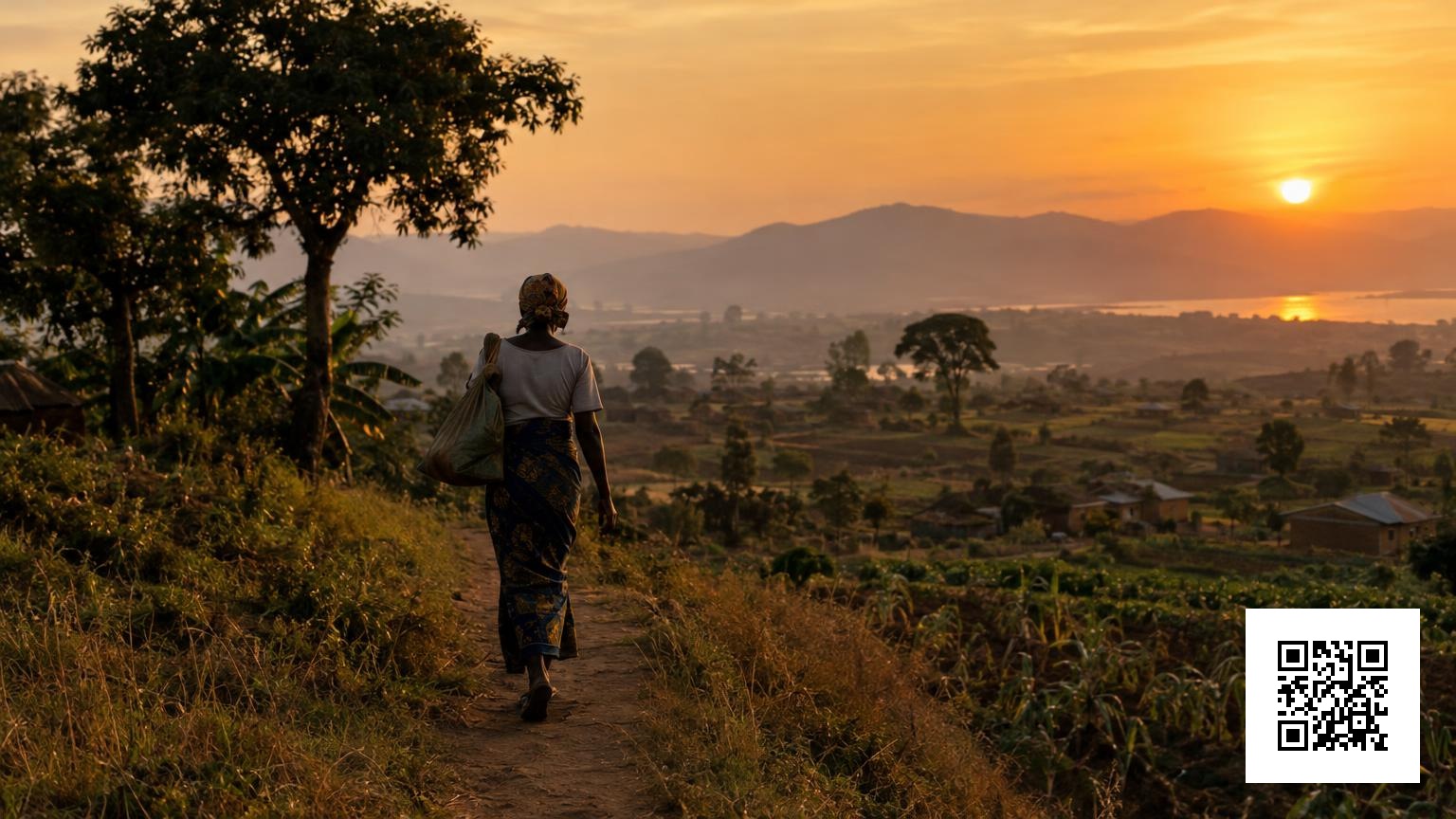
Ntchito Yanga is sung in Chichewa and named for work, perseverance and family love; Afrikana Best Sounds frames it as an homage to workers who carry hope and resilience. The mood is given as moderate and nostalgic, and that mood shapes how every vocal line is delivered.
Start with the voice. Chichewa phrasing and short refrains return across the track while a steady midtempo pulse holds time. Space between phrases is notable: lines arrive, breathe and settle. This chichewa song places language and message at the centre rather than flashy ornament, a choice that gives the track a clear listening shape.
Chichewa voice and phrasing
The singer treats Chichewa as the organising material. Phrases repeat and refrains act as anchors, so melody and speech bend together. Words remain intelligible and the delivery lets meaning breathe.
Pauses punctuate the phrasing. When the voice steps back the next line lands with a small permanence; when it presses forward the refrain re-establishes the idea. That pattern of call, rest and return is the track’s main device.
For context on language shaping a song’s architecture, see other close listens in Heart of Africa. Heart of Africa : tous les articles
Midtempo pulse and pacing
A steady midtempo pulse keeps the song from hurrying. It acts as a calm anchor under the voice and frames each phrase so repetition becomes emphasis rather than filler.
Arrangement choices open and close space around the vocal. Moments of restraint let the listener focus on single lines; the groove returns to carry the narrative forward without crowding it.
Work, memory and the household
The declared theme is work and family. That plain statement of subject gives the lyrics a civic weight: labour and perseverance are named as everyday realities rather than metaphors.
Tenderness and insistence sit together in the delivery. Memory appears as a quietly insistent element, a way of naming what keeps a household moving; the track’s nostalgic shade, described in its metadata, shows in these vocal choices.
This blend of sturdiness and warmth has a familiar match elsewhere on the site in titles that foreground local subjects and language. Compare how phrasing treats everyday themes by browsing related playlists. Toutes les playlists
Where it sits in regional Highlife
The song is labelled Highlife and the country tags include Malawi among other places. Within that frame, Ntchito Yanga reads like a local Highlife piece that keeps the voice front and centre and leans on steady, danceable pacing.
Nearby directions on Afrikana Best Sounds mix Highlife with other regional textures. Exploring those titles shows how tempo and phrasing shift across neighbouring scenes. AFRIKANA Best Sounds, Ngwa efu maka egwu Afrịka
Highlife
Highlife is the genre label attached to Ntchito Yanga and it places the track within a popular urban tradition across parts of West, Central and Southern Africa. Here the style is vocal-led in Chichewa and organised around a steady midtempo pulse.
Where it comes from
Highlife grew in urban centres as a form of popular song that adapted local vocal and dance traditions into accessible, rhythmic structures. In regions where Chichewa is spoken, the style often keeps language and communal subjects at the heart of the arrangement.
Defining traits
On this recording Highlife shows itself through clear vocal delivery placed over a measured rhythmic frame. The declared mood, moderate and nostalgic, affects how space is used between phrases and how repetition becomes a structural tool.
There is no exhaustive list of instrumental credits available for this title; what can be described with certainty is the prominence of the voice, the steady midtempo pulse and the restrained, listening-friendly cast of the performance.
How this track fits
Ntchito Yanga fits the Highlife label by foregrounding Chichewa lyrics and by keeping a steady groove that supports rather than competes with the singer. The track’s pacing and phrasing make the message about work and family the song’s centre.
Listen for the way short refrains return like signposts; that economy of gesture is one way the track asserts its Highlife identity while favouring clarity of address over instrumental display.
Styles to explore next
Near neighbours on the site include Marrabenta-flavoured pieces and other Chichewa-language songs that vary tempo and phrasing. Comparing those titles reveals how regional Highlife and Marrabenta take similar material in different rhythmic directions.
If you like this voice-led approach, try contrasting Ntchito Yanga with other local Chichewa pieces to hear how small changes in pace and refrain placement change the whole feeling.