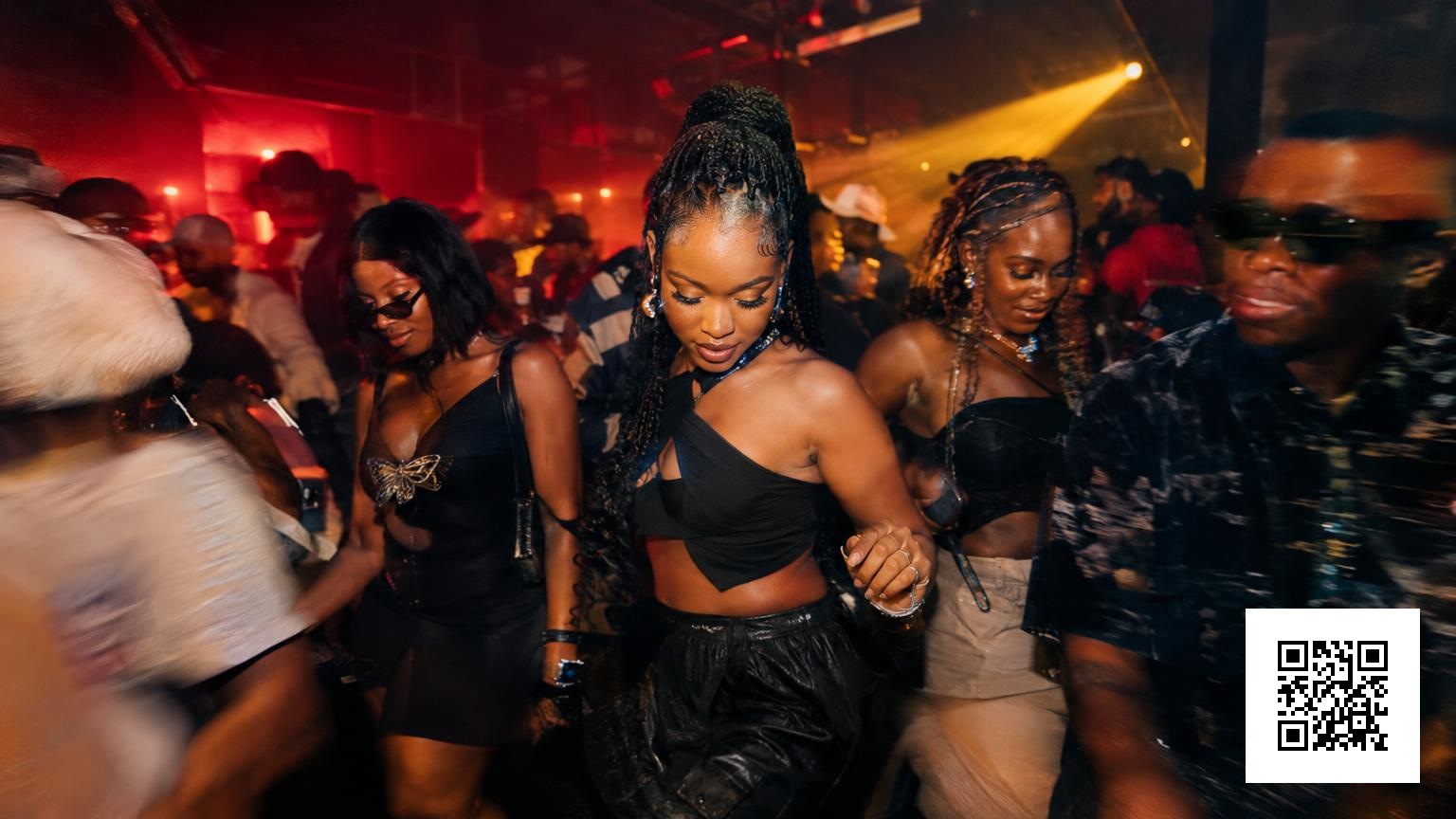
Ayeye Party opens with a shouted hook that stitches Zulu, English and township slang into one call. Afrikana Best Sounds frames the record as an anthem for South Africa, Swaziland and Lesotho nights, and those language choices set the room before a single beat drops.
From the first chant the song makes its address arithmetic clear: short Zulu phrases for the crowd, quick English lines that travel, and township slang that names who belongs close. The languages are short, repeated and positioned so everyone finds a way to answer.
Zulu as the communal call
Zulu lines act as the track’s communal anchor. They arrive in short, repeated bursts that invite vocal return; they are built to be taken up by a crowd and to mark a shared moment.
Because Zulu is used for the main chants, it ties the song to township floors where that language carries immediate recognition and oral memory. The phrasing expects to be sung back rather than spelled out.
That communal address is practical: a Zulu chant signals when people join in unison, when a shout becomes a collective agreement to move together. For a view of language used as direct address in another song, see Gbé na wa: Fon as the song’s direct address.
English as the outward hook
English functions as a portable hook. Those lines are brief and club-ready, letting listeners who do not speak Zulu latch onto the chorus and respond physically without knowing every local word.
In practice English in Ayeye Party works as shorthand that travels across rooms and borders. It widens the record’s reach while the central momentum remains anchored in the shorter Zulu chants.
That outward portability is why English appears sparingly: it catches attention, offers an easy call-and-response point, and helps the song move into larger rooms and mixed crowds.
Township slang and local codes
Township slang threads between Zulu and English and establishes local authority. Those lines carry small-place meanings and a behaviour stance that listeners familiar with township speech will own instantly.
Slang does more than colour the sound: it draws boundaries. It signals who knows the codes and who shares the same inside jokes on the night, which matters when language carries social distance as much as rhythm.
When Zulu binds and English opens, slang decides proximity. It is the nod that tells someone whether they are beside comrades or among newer faces on the floor.
How addresses meet different listeners
Responses across a set split along those language lanes. Some voices answer the Zulu chants and match them with call-and-return; others latch to the English hook and move to that rhythm. Many react to the slang and its local stances.
The result is layered rather than chaotic. Each language occupies a clear lane on the beat, so voices cross without cancelling one another. The song arranges social space as much as it arranges sound.
For other takes on spoken placement and multilingual address, read Ke Tlogetse Bokamoso Jaanong, Setswana spoken word in an Afrobeat instrumental or explore broader scenes in Other African Languages | Voices of Africa.
Gqom rapide, Amapiano énergique
The track names its style as Gqom rapide paired with Amapiano énergique. Those labels place Ayeye Party inside South African club currents that prize insistent pulses and forward momentum.
Origins and development
Gqom and Amapiano come from urban South African scenes and from club cultures where language and rhythm meet. Both styles have often foregrounded short, chantable vocal lines that travel across neighbourhoods and larger rooms.
Defining traits
Here the hybrid emphasises a fast gqom drive together with energetic amapiano elements, producing a relentless rhythmic frame and clipped vocal hooks. Vocals are delivered in short, repeated lines in Zulu, English and township slang, matching the track’s endiablé and explosive mood.
How this track fits
Ayeye Party uses the style names to justify its multilingual approach: rapid gqom passages carry the Zulu chants while energetic amapiano sections give the English hooks room to land. Phrases stay short so they can be echoed, which aligns with both styles’ club intent.
Neighbours to explore
Listeners wanting more of this language layering can try the Zulu radio selection Zulu South Africa, African Music Radio | Afrikana Best Sounds and the AFRIKANA playlists for related club forms. Discover AFRIKANA, stream African radio & songs on mobile.